Qucumber’s Adventures in Flatland
Brief
Unconscious Training
& Action Logic(framework)
Chapter 0
Symbolic Order
Chapter 1
First Order of Simulacra
-
Watches in another dimension
-
Collapse
-
Peeling into the timeline
-
Anyways, time is always about three
- Do arthropods come from higher dimension?
Chapter 2
Second Order of Simulacra
-
A simulation of the underground
-
A simulation of cutting the cucumber1/2/3
-
1′12″
- A simulation of peeling a cucumber
Chapter 3
Third Order of Simulacra
Chapter 4
Other process
In brief, this project is about using the cucumber, which is the primary tool, as my object to explore the complexity of the world. Especially engaging this element in different dimensions as well as the time and space, and building simulacra in various kinds of ways. Meanwhile, it is about doing unconscious training and exploring the correlated action logic.
(Exercices de style, 20.03.2022 adding)
Unconscious training
So far, with doing the unconscious mapping, it has been developed a series of branch lines with 15 ideas and some related output, including drawings, films, sculptures, collages and some visual document. Generally speaking, this mapping connects to cucumber or time and space; some of them play with the relationship of sound and action; some get into the journey of imagination. Taken together, these experiments look more like the acquisition of inspiration, which helps me to expand my thinking and enrich my creativity. Besides, the mapping experience is a kind of like the process before doing the actual design on the computer, which is the project design planning and finding the connection between visual and concept.
It is surprised me that I found some abnormal connections during this unconscious training, which means maybe some ideas will get the response about “What the hell is she doing!”. For example, at the beginning of doing the divergent thinking, I walked through the Greenwich Tunnel and took a picture every three steps, producing 183 photos in five minutes. Try to imagine, placing these pictures in the space where they had been taken and enlarging them to the actual size of the tunnel. Viewed from a distance, this is a tunnel but cut into the slices. I try to visualise the equal time within the space of the tunnel when I took the picture and walked at the same time. Summarising this action is to decompose the coherent tunnel into photographs. In other words, it could see those photos as the separation of time and space. Interestingly, I found the action of taking pictures in the tunnel is very similar to other activities of cutting a cucumber, so I combined these two seemingly unrelated behaviours into a short film. I prefer to understand this as a visual and auditory montage, which is absurd but also humorous.
Generally speaking, doing this training is not following the convention, but to seek innovative exploration methods, using different approaches to analyze the materials and information I hold from different angles and directions. This way of thinking allows me to have a larger space for reflection. For instance, taking cucumber as the object, I mobilized my knowledge of time and space, and make associations with sound and action, generated multiple unique ideas and expanded my imagination. Basically, the mode of using divergent thinking to analyze problems is to think outside the established framework, so that to propose innovative ideas in the process of exploring multiple possibilities.
Action logic
The behavioural logic of this project was not designed in the first place. As mentioned in the previous chapter, the unconscious action kind of like a discovery of imagination. It wasn’t even realised that there is a connection behind these actions. And it does exist.
During the later philosophy exploration of Jean Baudrillard, he described the “Orders of Simulacra” and the “Phases of the Image”, which including four levels of orders of simulacra and the corresponding four levels at which creation represents reality:
Symbolic Order: the simulacrum is a reflection of a profound reality.
First Order of Simulacra: the simulacrum perverts a basic reality.
Second Order of Simulacra: the simulacrum masks the absence of a basic reality.
Third Order of Simulacra: the simulacrum has no relation to reality at all.
When I look at all the pieces that I've done, I found that my methodology of creation is unexpectedly matching with his idea of simulacra, which means my thoughts relate to simulation and can be divided into different levels. For example, a number of my works are exploring the connection to the real world; some are wandering my mind and creating abnormal results, and few are the recreation of produced project. In a word, I combined my experiments with Baudrillard's ideas and categorised them into my methodology framework. In my project, cucumber as the simulacrum to compare with seemingly unrelated objects and find out the potential possibilities, and the way of simulation mainly focus on sensory montage, for instance, action and sound.
Conclusion
In all, “Qucumber’s Adventures in Flatland” is dedicated to taking cucumber as the most daily object of research and looking for its relationship with time and space. The whole process contains many experiments, as well as different forms of expression, including movies, web design, collage, painting, installation, etc. Specifically, this project divided into two modules, namely unconscious training and behavioural logic. The former one is to express and create as much as possible around the theme, and the latter is to find the action logic behind self-creation. While in the section of mapping with cucumber, I engaged working with humour sense and imagination and finding the abnormal connection with cucumber and the world we are experiencing. What's more, when I ride on the roller coaster of imagination, there will always be some surprises, for instance, the connection of cutting cucumber and taking photos. I prefer to understand it as a treasure of unconscious wandering, which is difficult for me to achieve by conventional operations. The second part is for organizing those experience I did, and I found the correlation between my creations and the theory of simulacra by Jean Baudrillard. The four levels of simulacra correspond to my logic of design, which presents that subconscious wandering does not mean thinking randomly. Afterwards, I combined the framework with my categorized projects then to create a new website with a more logical layout as my final outcome.
0.1. Cucumber in the flatland

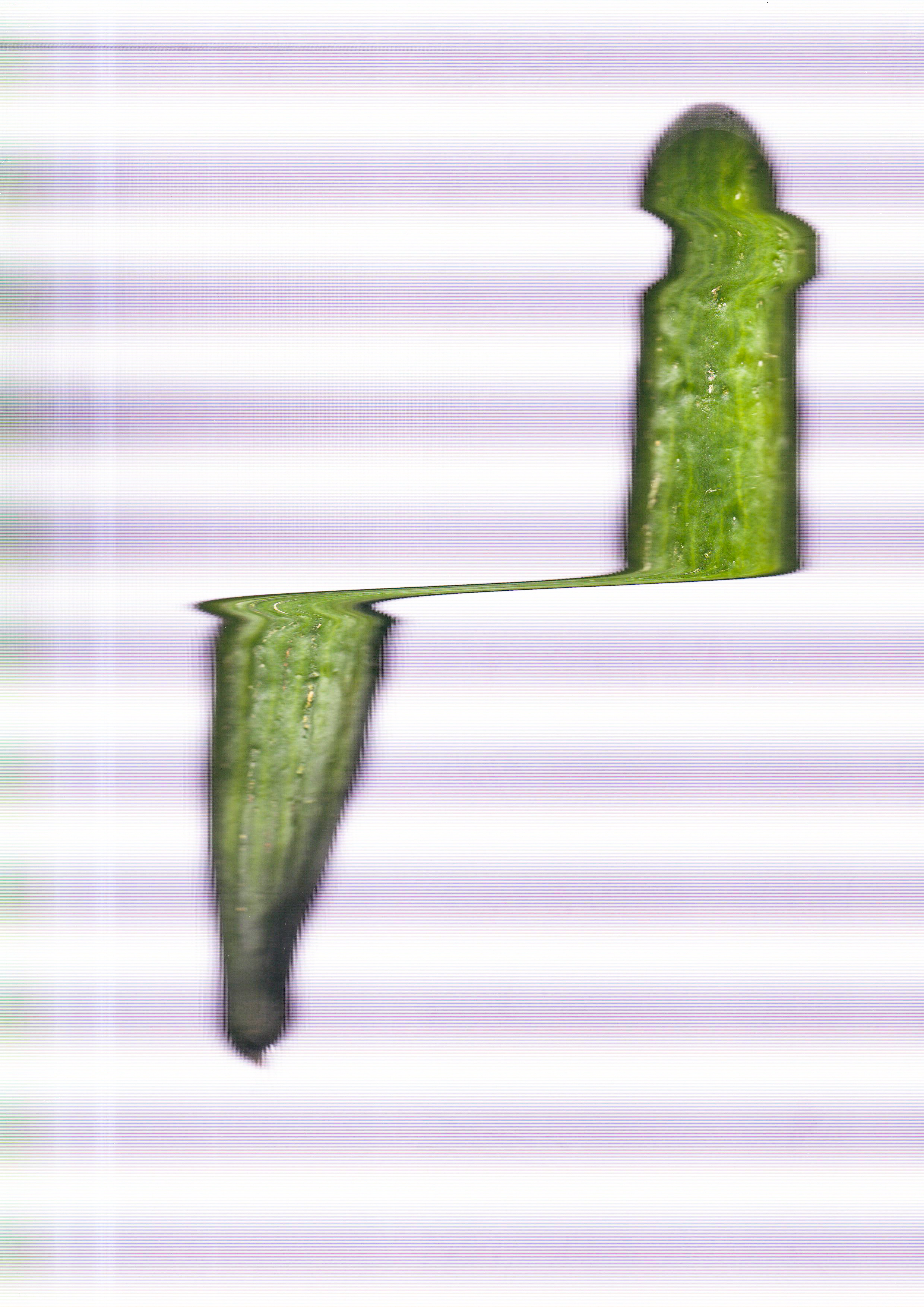
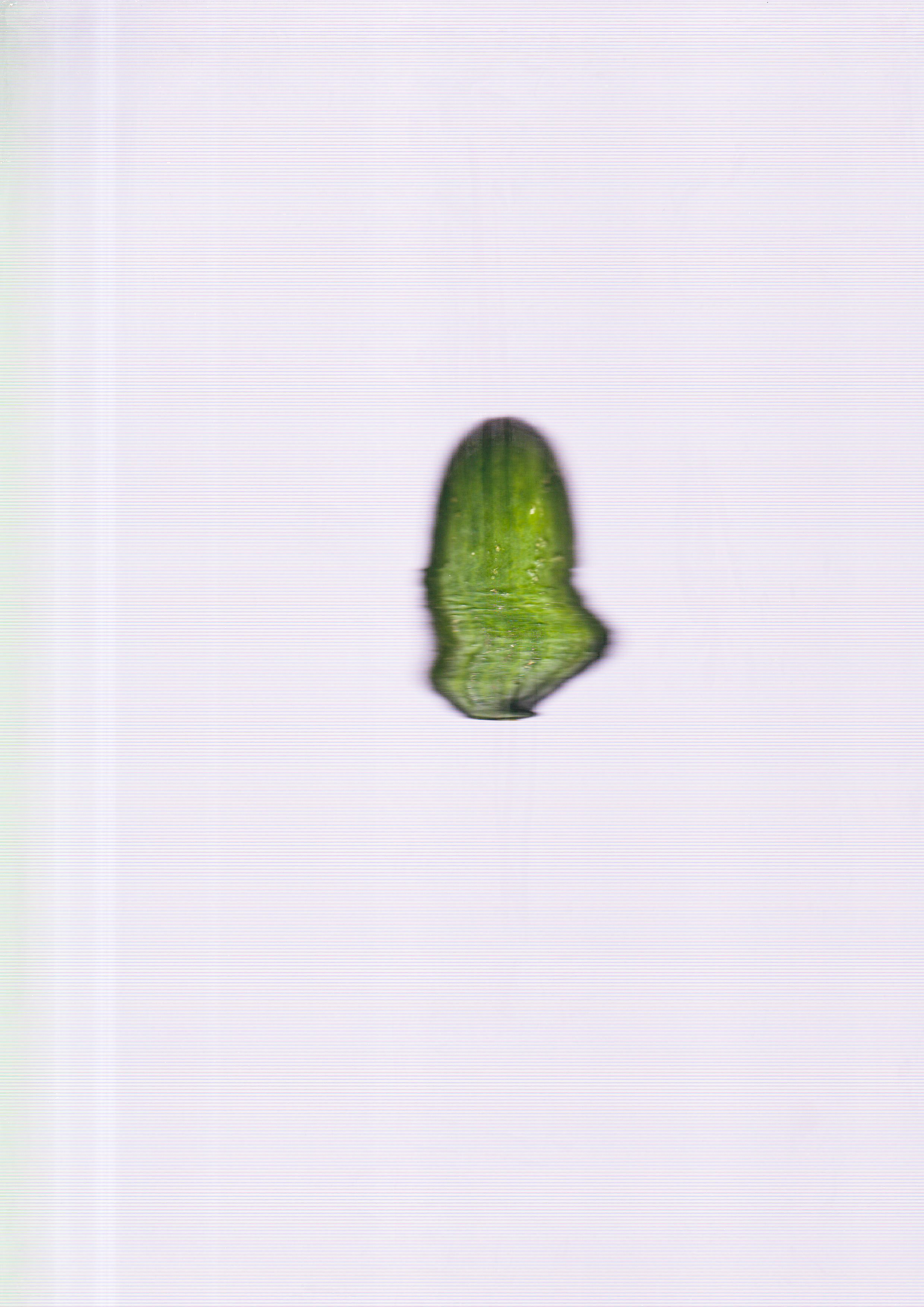
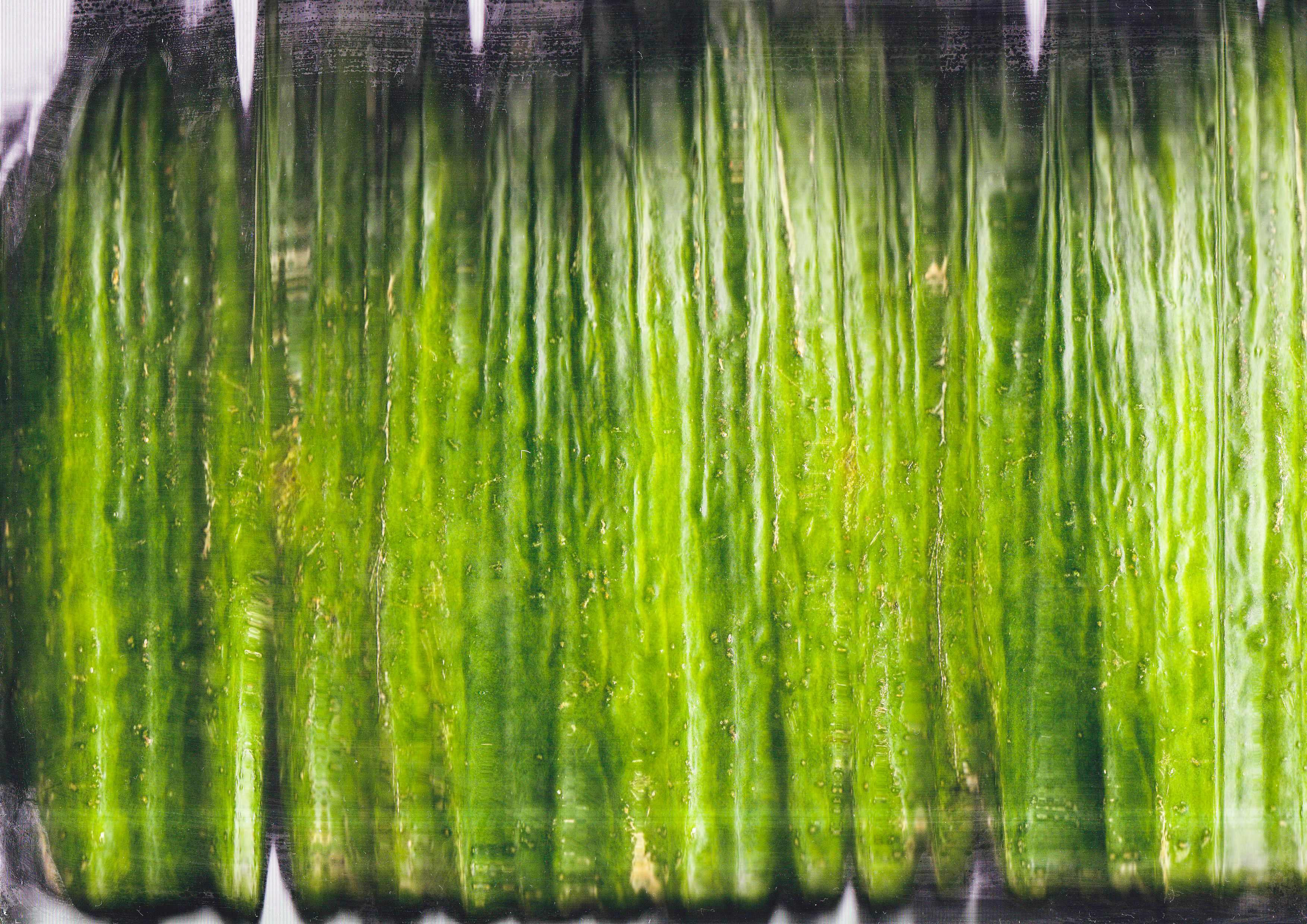
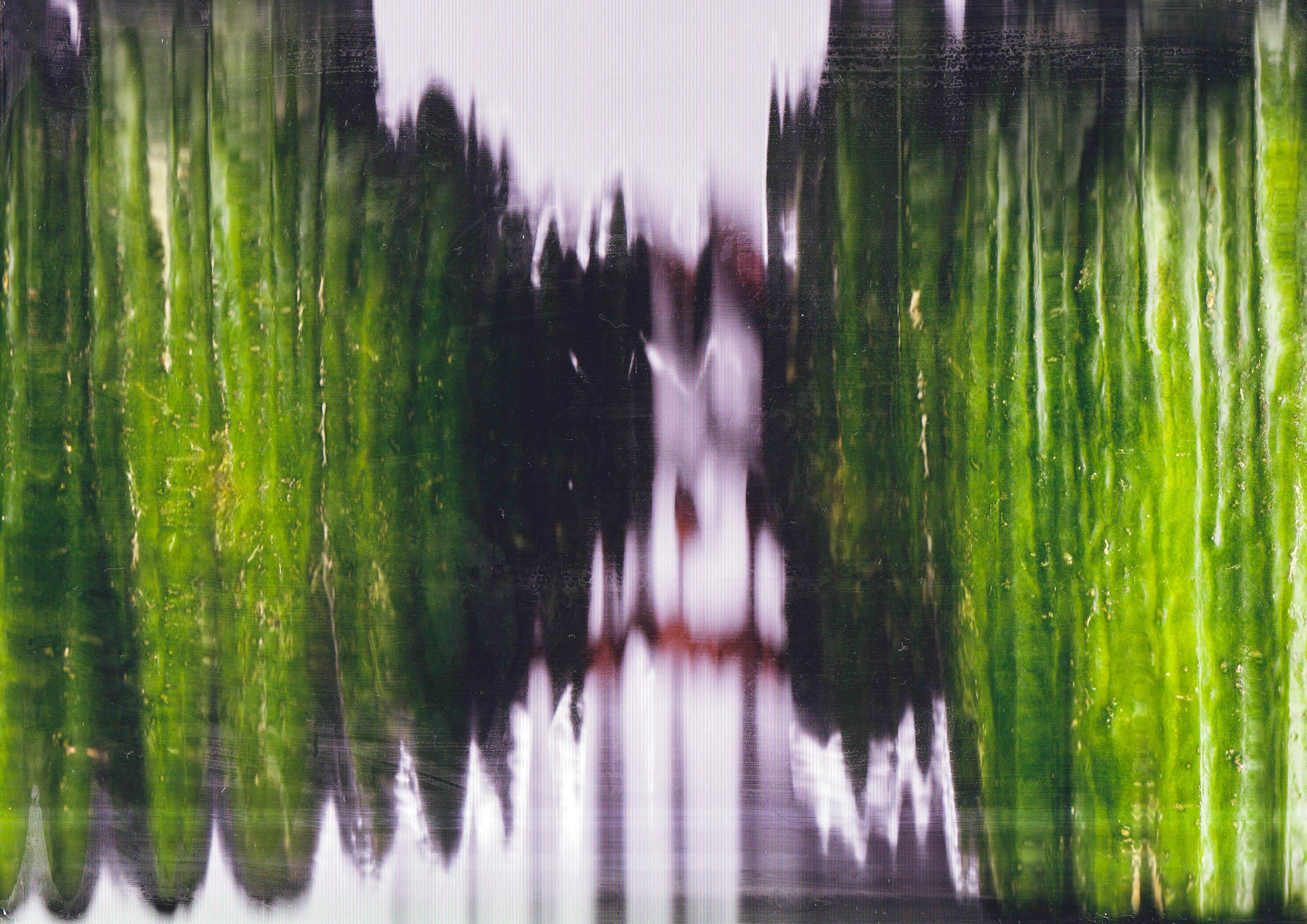
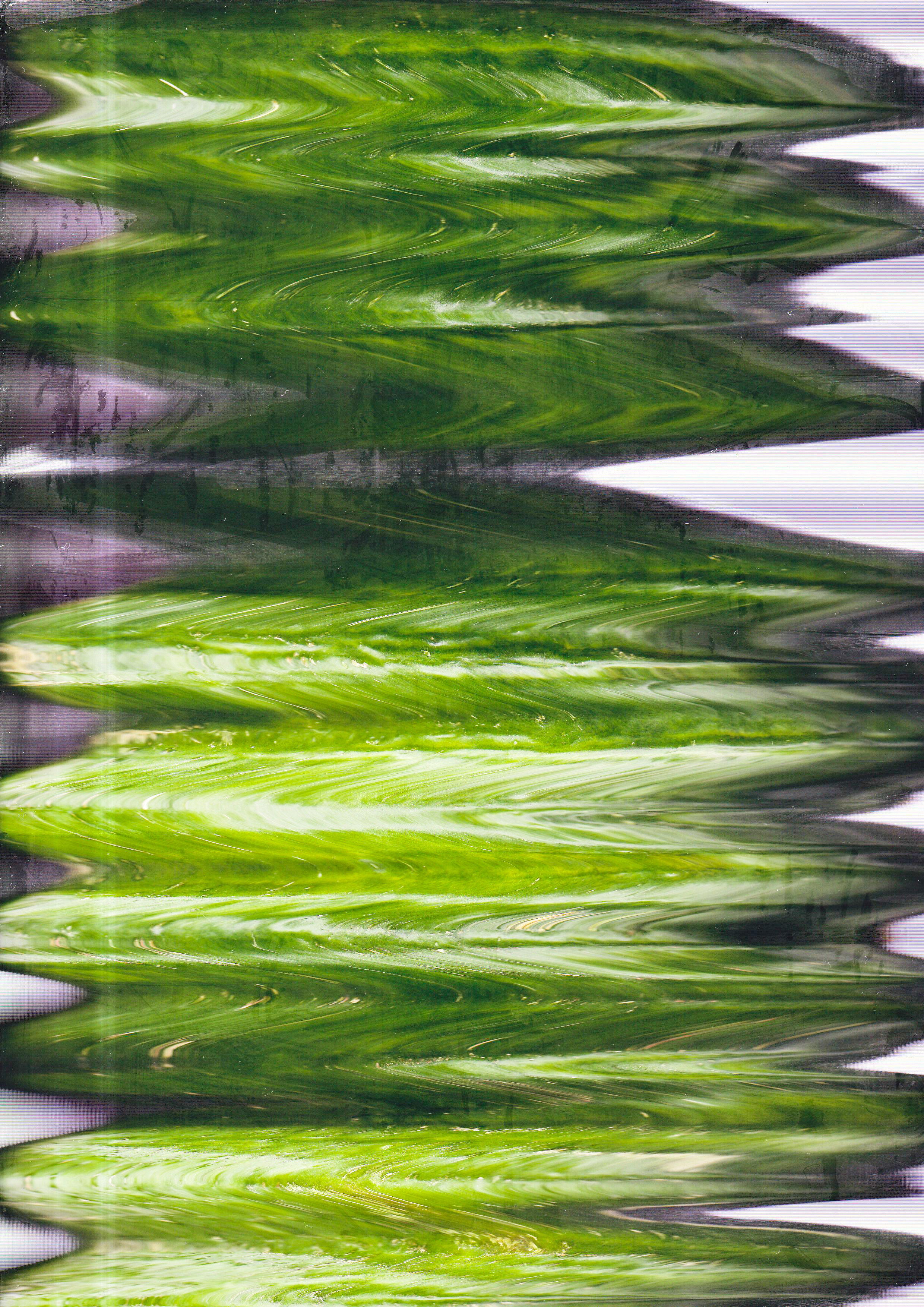
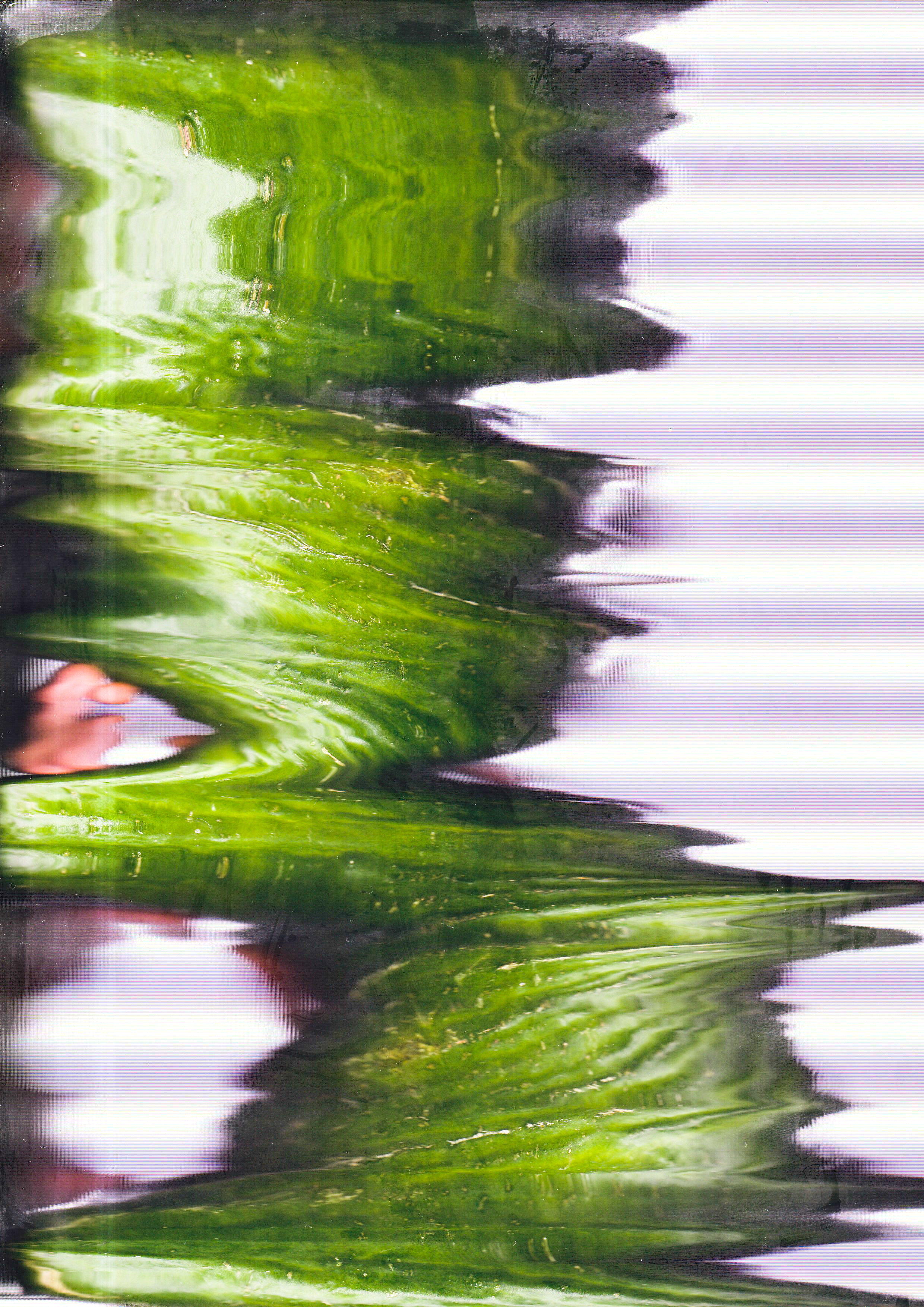
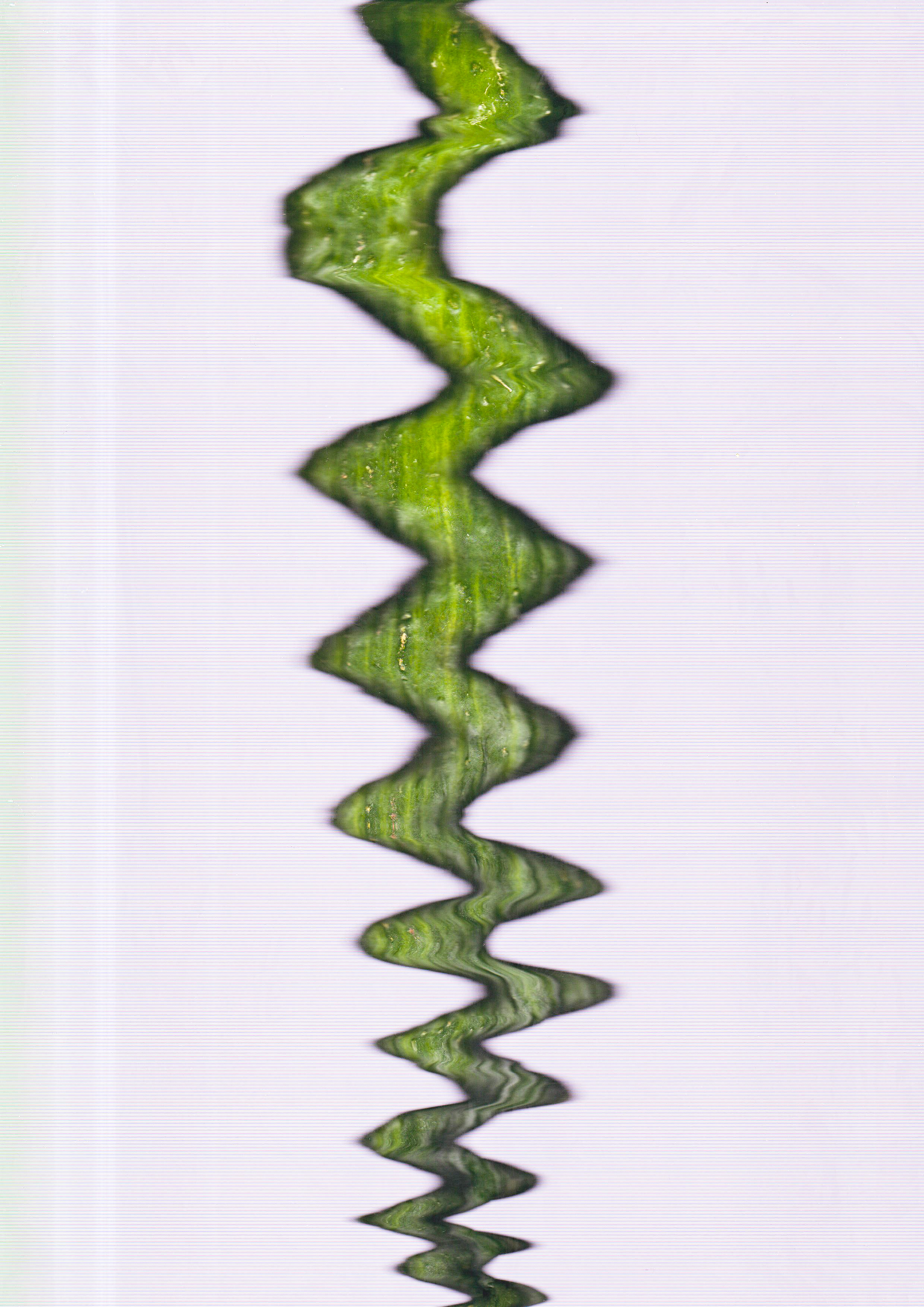
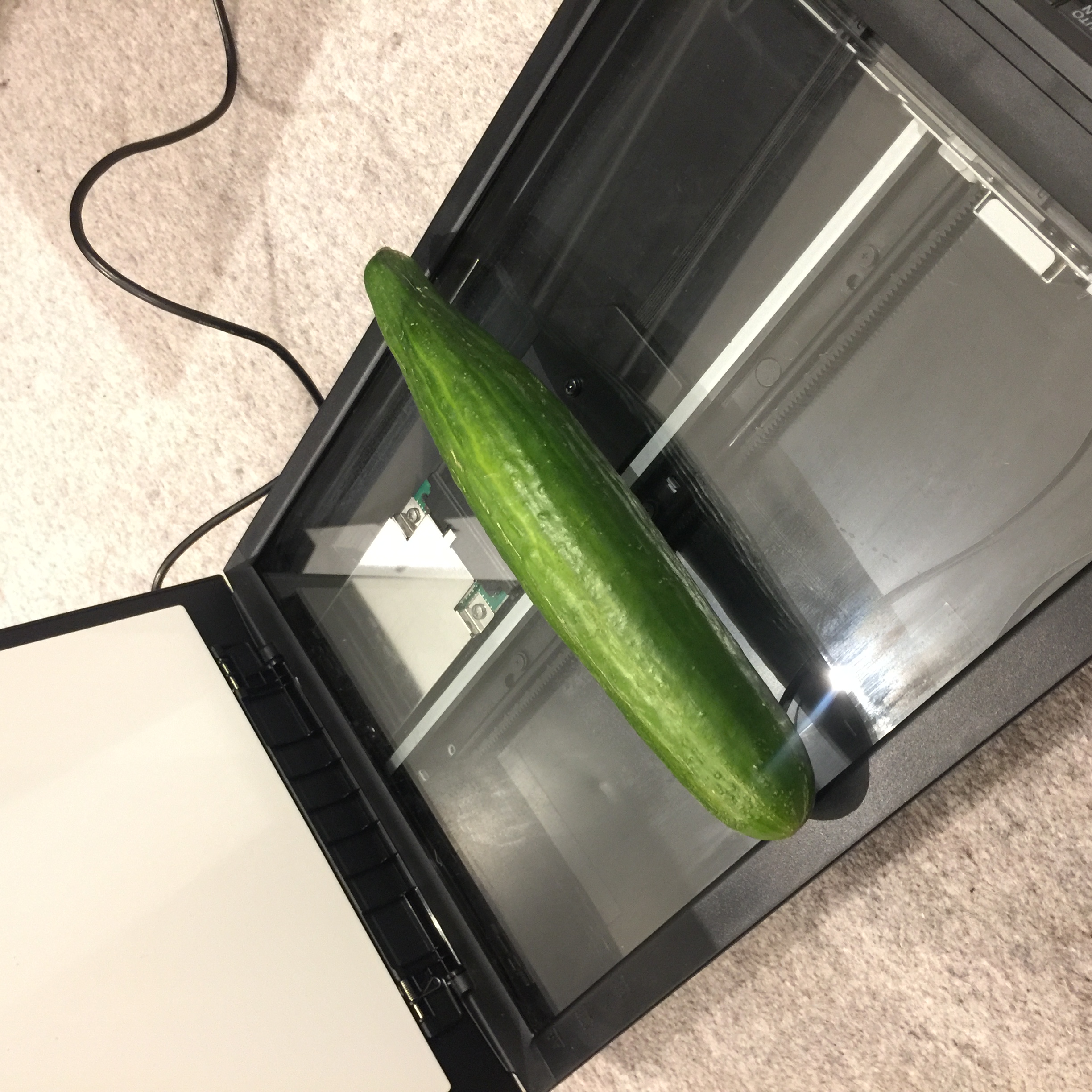
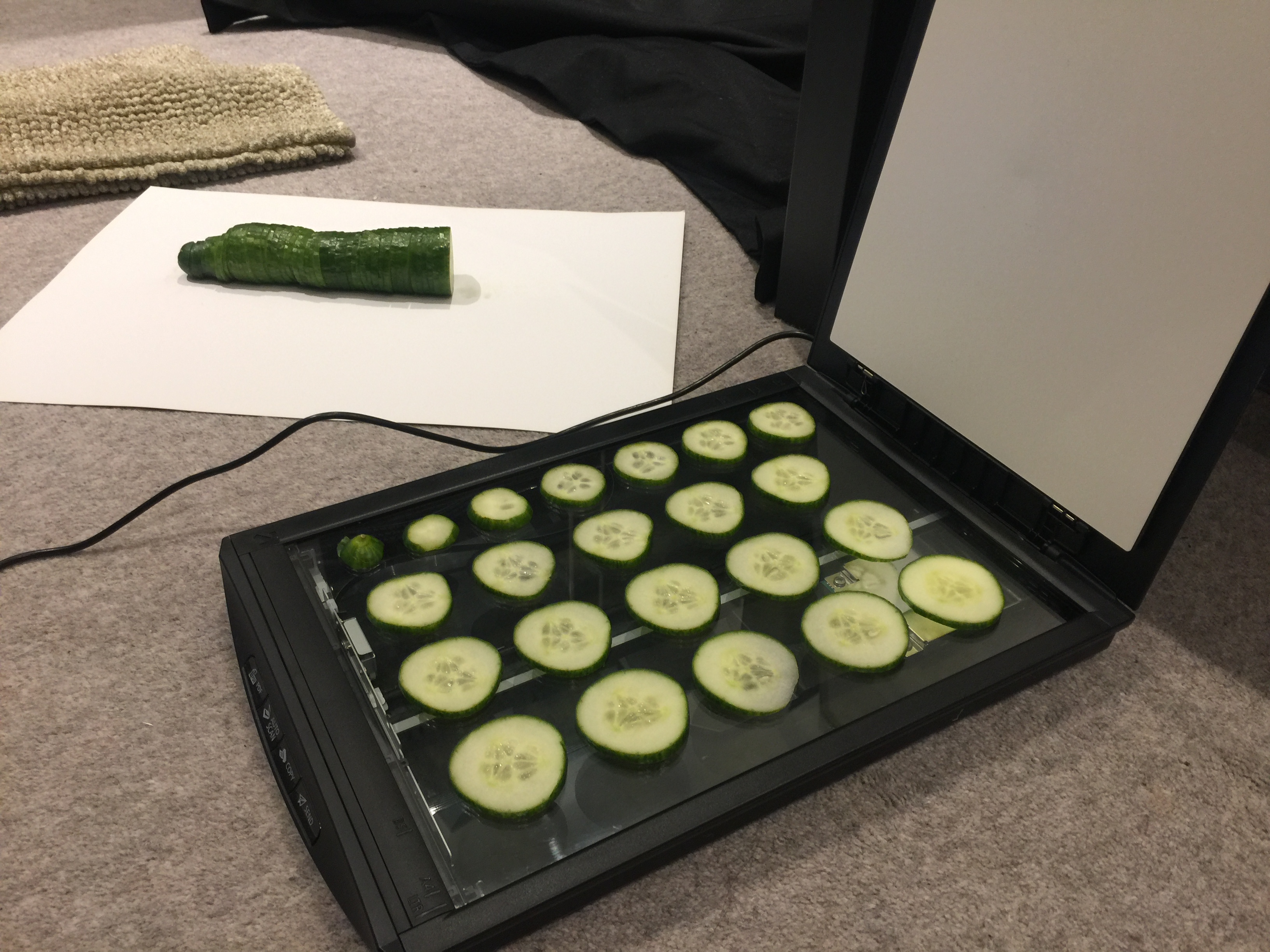
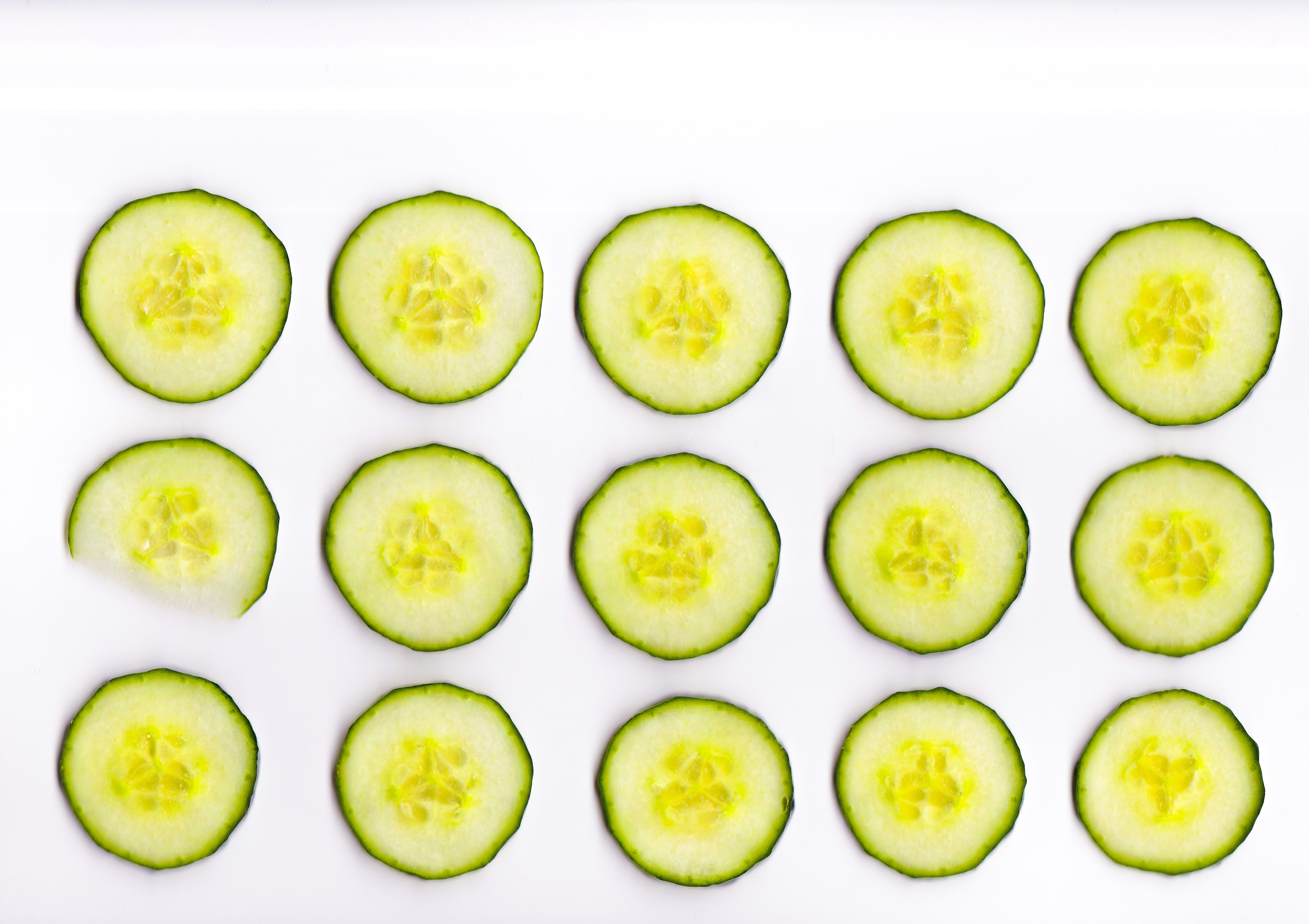
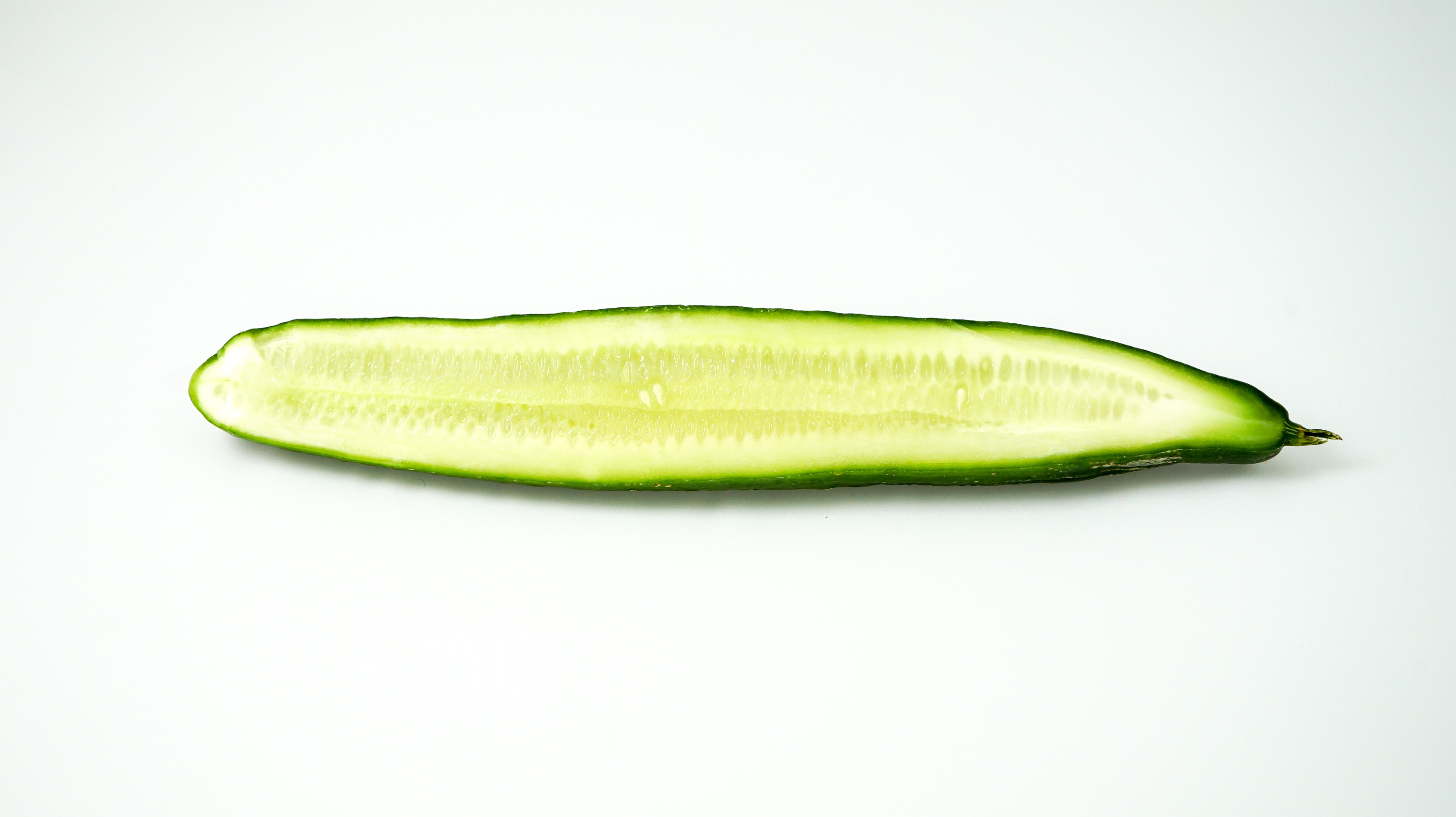
Speaking of the “Cucumber in the flatland”, I used a scanner to scan the cucumber in multiple ways. For example, to keep the scanned cucumber away from the plane of the scanner, then I got a blurred visual image. Or I suddenly moved the cucumber during the scan process, and then a segmented but continuous image was produced. To imagine the scanner is the eye of two-dimensional creature, and the scanned pictures are what it can see. Then the scanned cucumber it sees come in many forms. According to its understanding, what it sees can be different cucumbers or the same one can be transformed into various formats. But from the perspective of the three-dimensional world, this is just a static cucumber. This kind of behaviour quite similar to what a book called “Flatland” illustrated, which is to imagine a state of being in a lower dimension than the human one, and use a dimensionality reduction vision to reverse and examine our existing world. And that is how the name “Cucumber in the flatland” comes from, as well as the title of the whole process: “Qucumber’s Adventures in Flatland”. Therefore, the images of scanned cucumber as the lower-dimensional simulacrum is doing a reflection of a 3D reality.








0.2. How long does five minutes look like

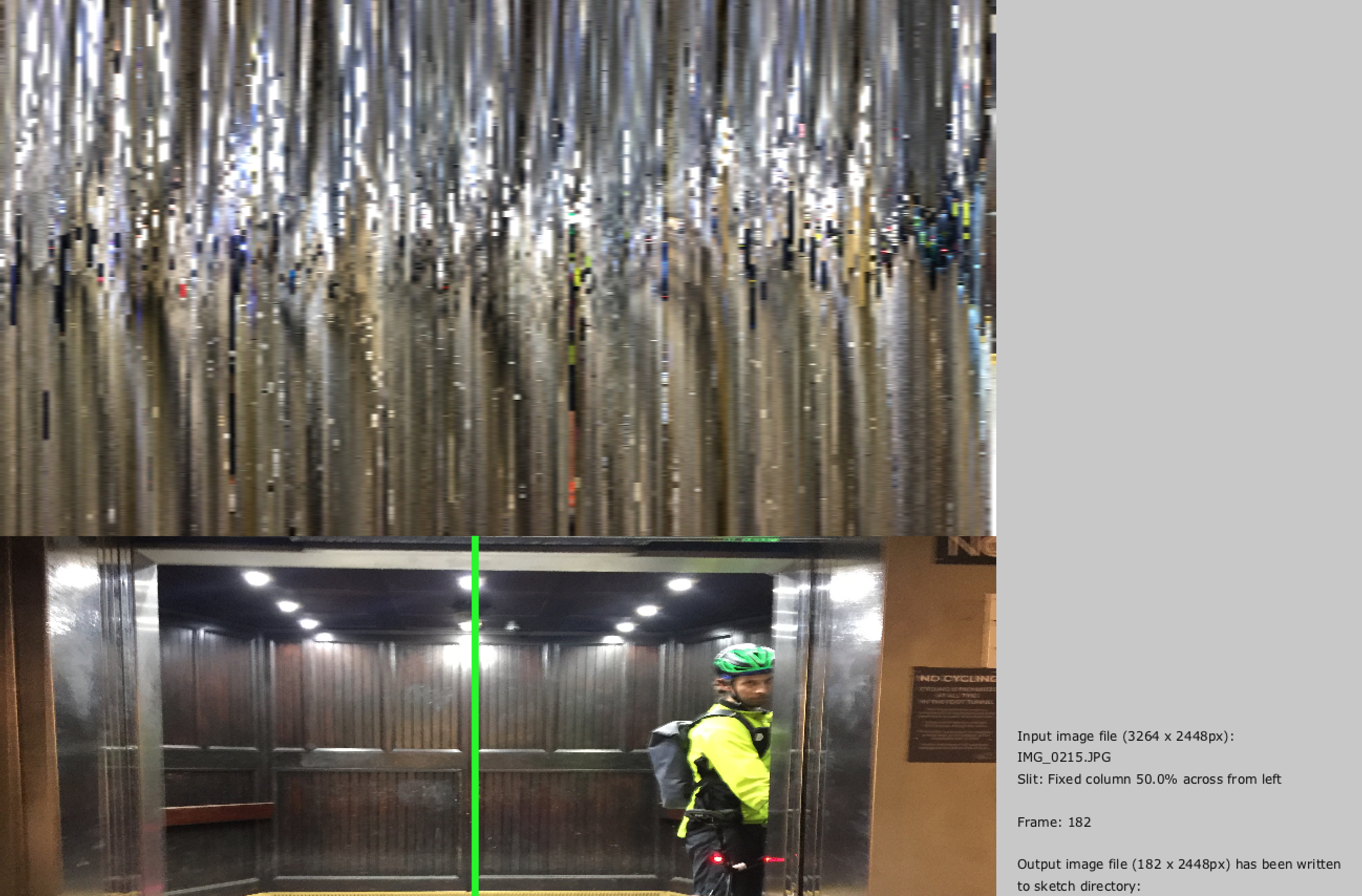
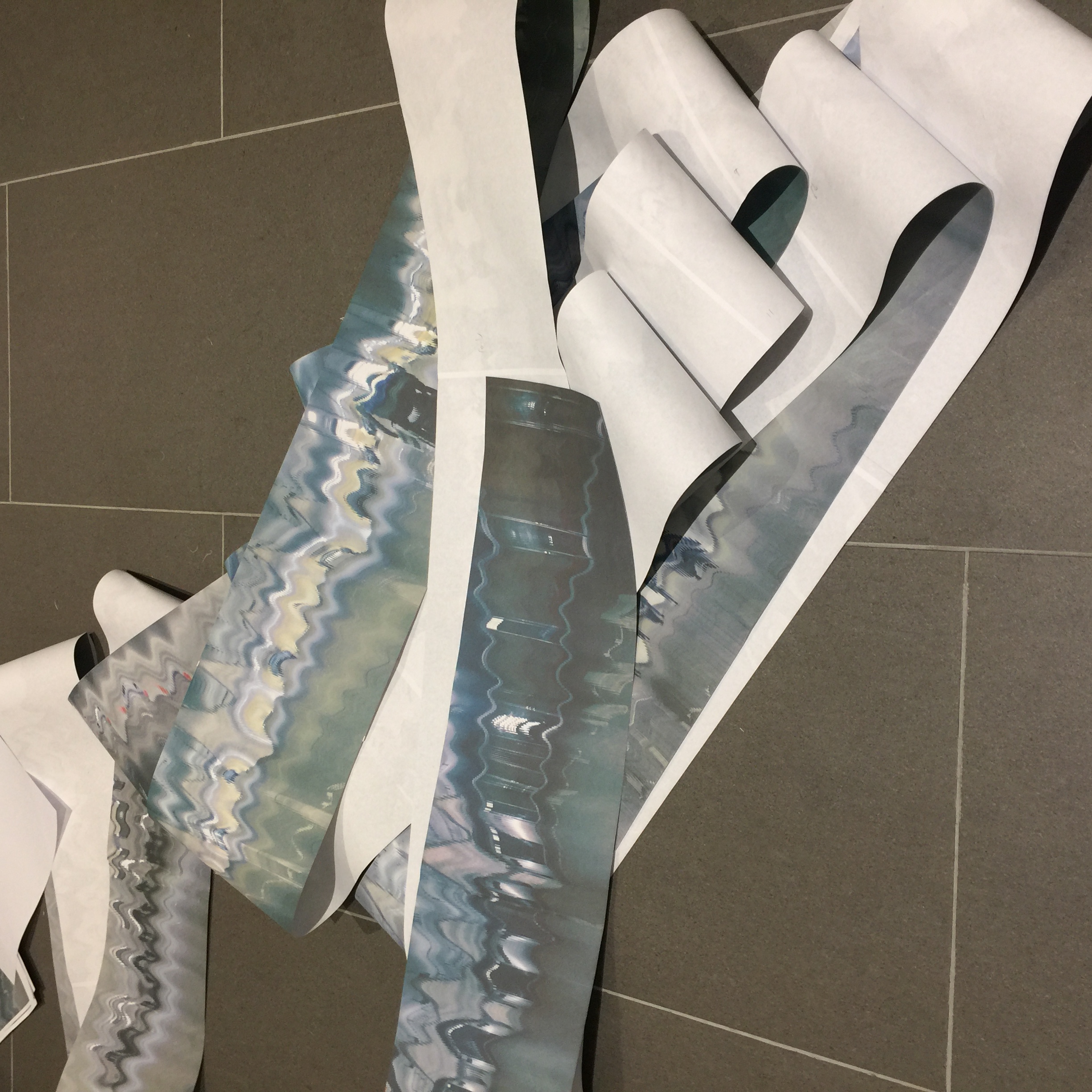
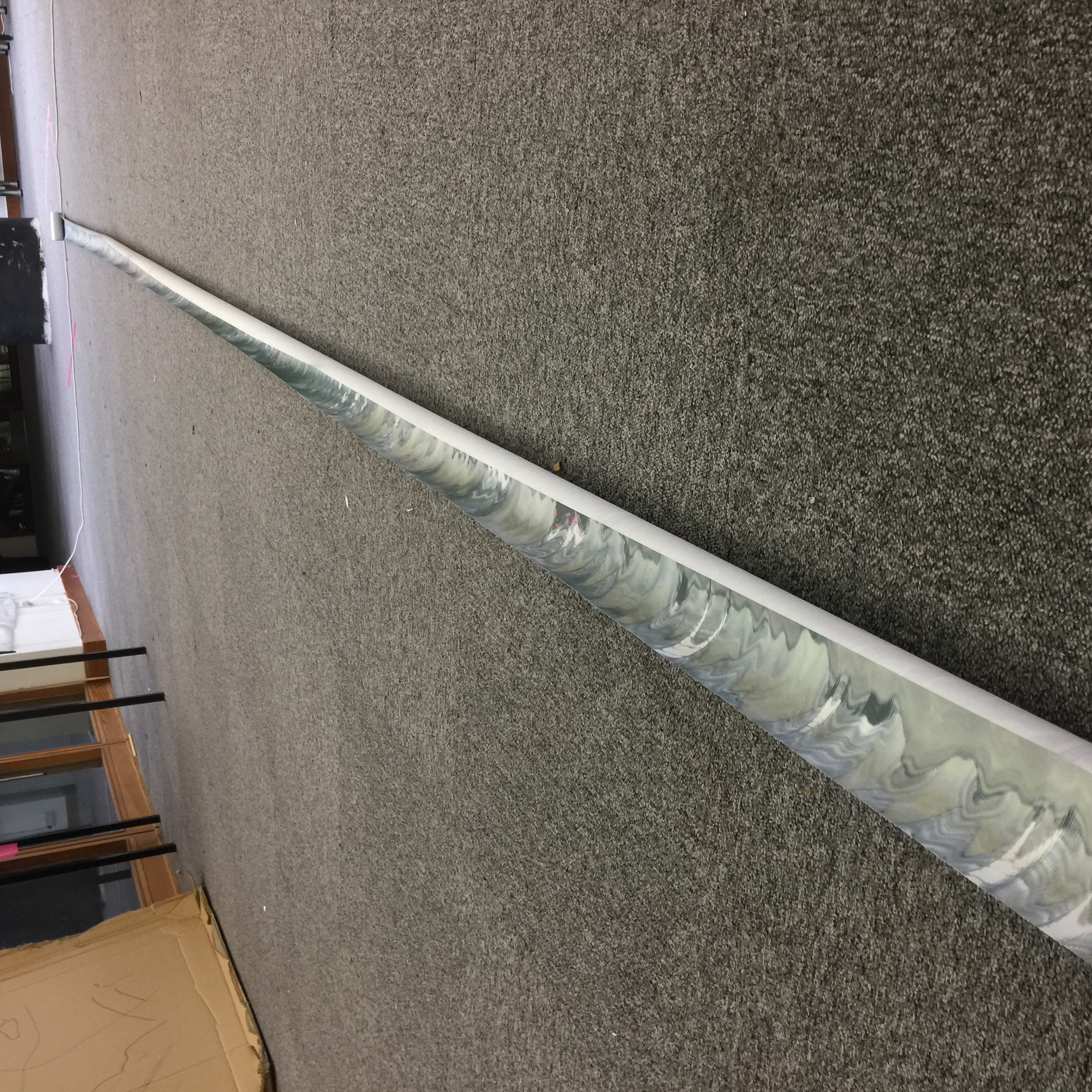
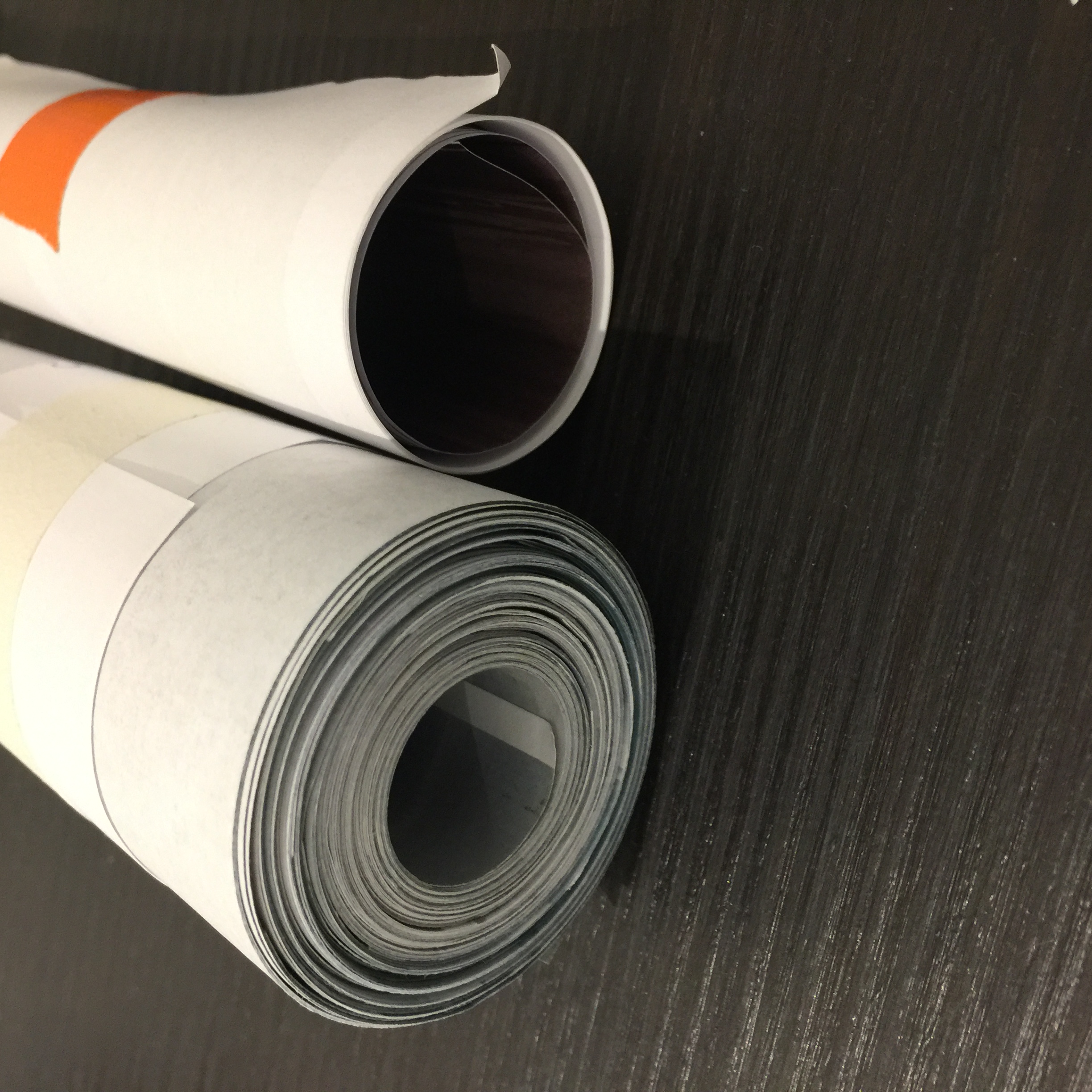
“How long does five minutes look like?” is another thinking of the reality that we exactly living in. This project uses a scanning technique called slit-scan, which’s camera and film moving at the same time to create a panoramic picture. What interest me most is while I was using this technique to scan the film about walking through the tunnel, it is equivalent to visualise the time into a panorama. Similarity go with “Four dimensional worm” that GaoMing mentioned in his book “Genius or Psychotic”, which means that in the time we have traveled, we in all spaces exist at the same time. In other words, in the dimension of time, we are like a continuous line in the three-dimensional space, starting at the moment we were born and ending at the present moment. This process is more likely a reasonable association and thinking about the real world.
1.1. Watches in another dimension

“Watches in another dimension” illustrates the clock with sliced cucumber shape, and it is kind of like the distorted clock in Dali’s painting “The Persistence of Memory”.
1.2. Collapse

“Collapse” describes a situation of space collapse, the outlook of whole section is a cucumber which is a representation of some form of space. The collapsed part of the area simulates the creases of a dried cucumber.
1.3. Peeling into the timeline
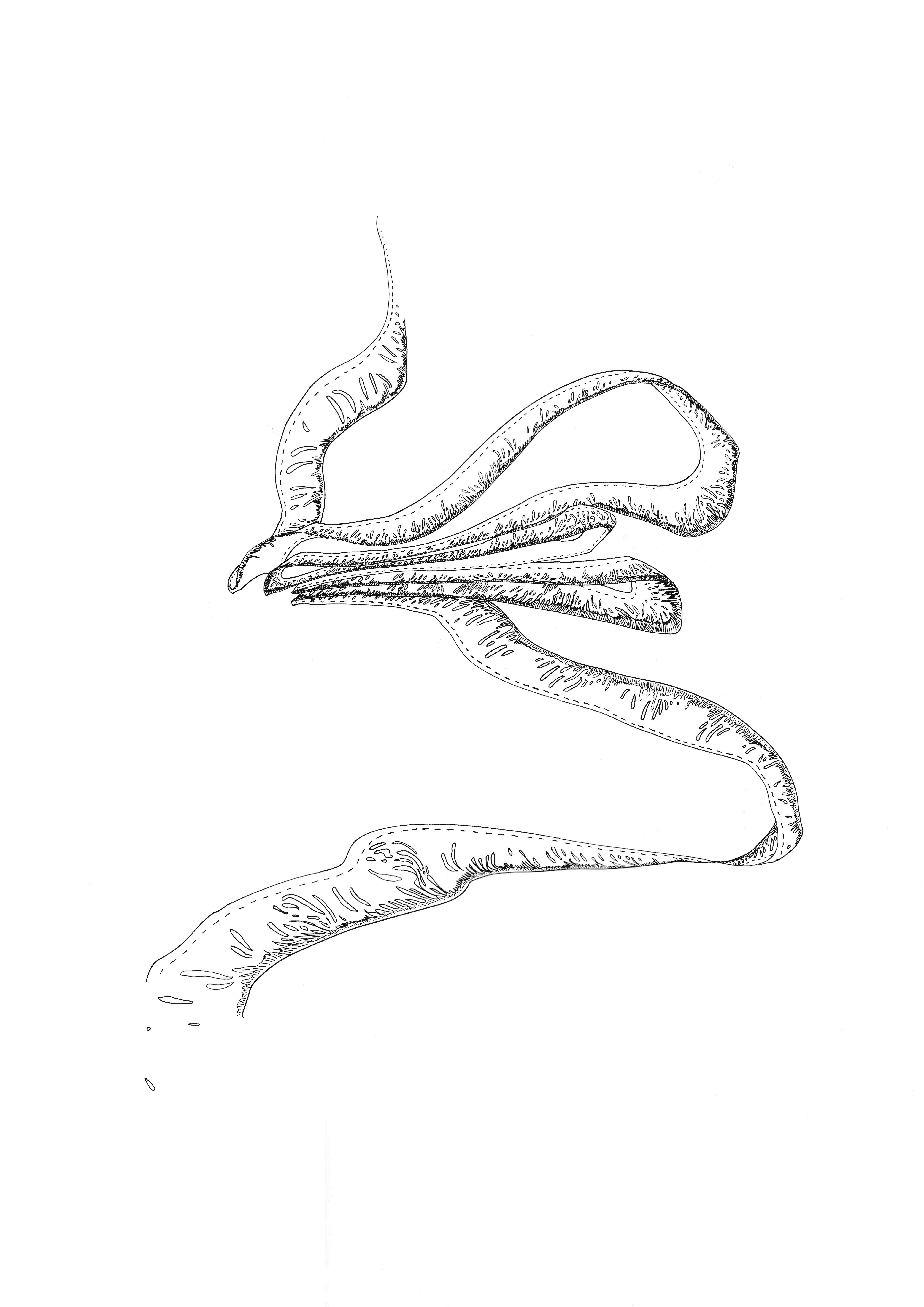
“Peeling into the timeline” simulates a situation of peeling a cucumber into continuous strips, like peeling an apple. The whole stripe looks like a lifetime of experiences, and the veins on it are experiences. It can also be understood as an electrocardiogram of experience. Once life is over, the cucumber is cut off, and the veins on it will not continue.
1.4. Anyways, time is always about three

“Anyways, time is always about three” shows the consideration of related number “3” of time, which are 24 hours a day, the clock has 12 graduations, a quarter of an hour is 15 minutes, one hour is 60 minutes, one minute is 60 seconds, etc. It is strange but a miracle, right? The number three is so beautiful that it is always related to time.
1.5. Do arthropods come from higher dimension?

Speaking of the “Do arthropods come from higher dimension?”, one thing that should be mention again is the “Four dimensional worm”, which appeared in the previous round of Symbolic Order. Although it looks like an ordinary centipede, try to imagine if this centipede comes from another dimension and every section of its body that is a sign of time externalization.
2.1. A simulation of the underground
While I walked through the Greenwich Tunnel, which is the most original place that the project starts, I found the structure of the tunnel quite similar to the space on the underground. Thus, I used the tape to cover part of the camera and recorded walking through the tunnel, then speeded up the film to pretend there is a running train. That is how the first film “A simulation of the underground” comes from.


2.2. A simulation of cutting the cucumber1/2/3
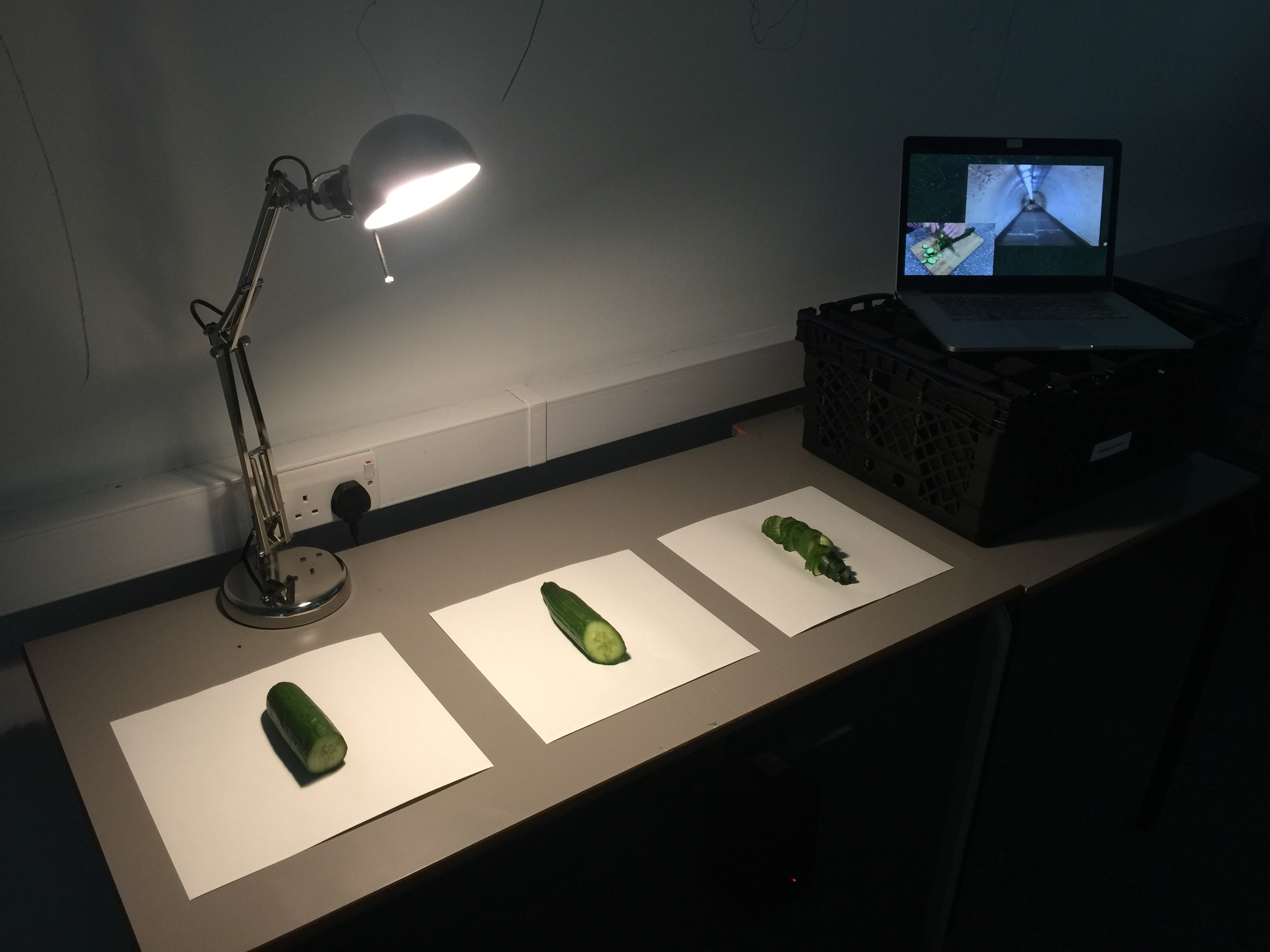
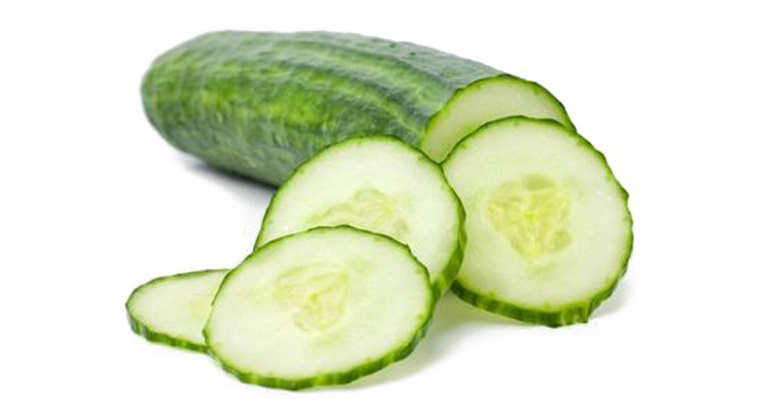
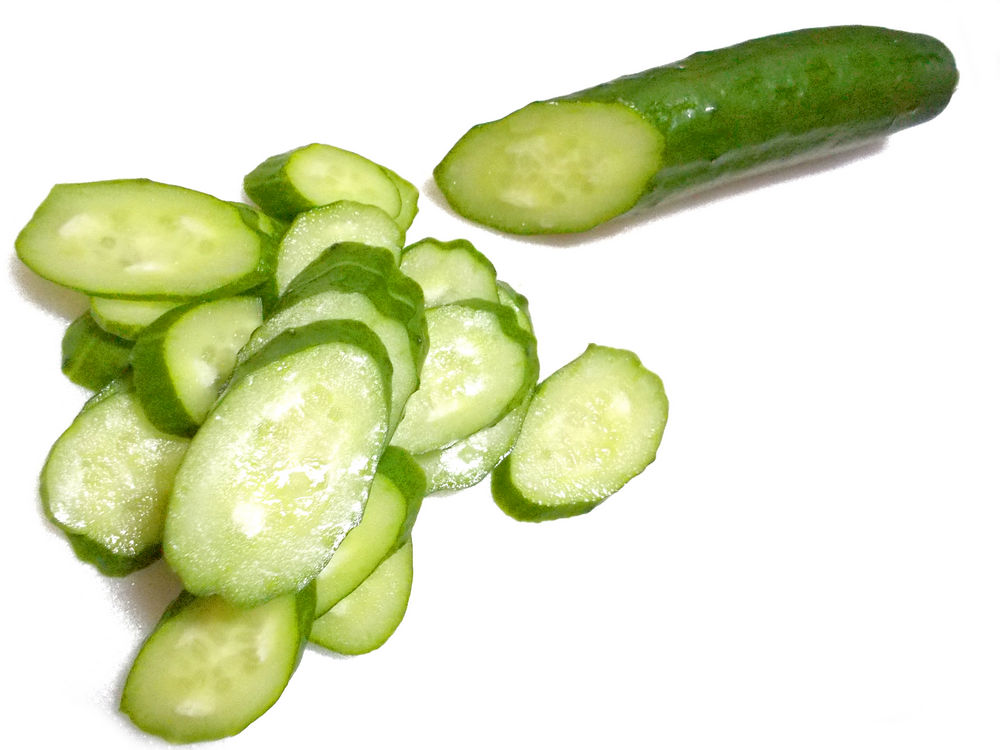
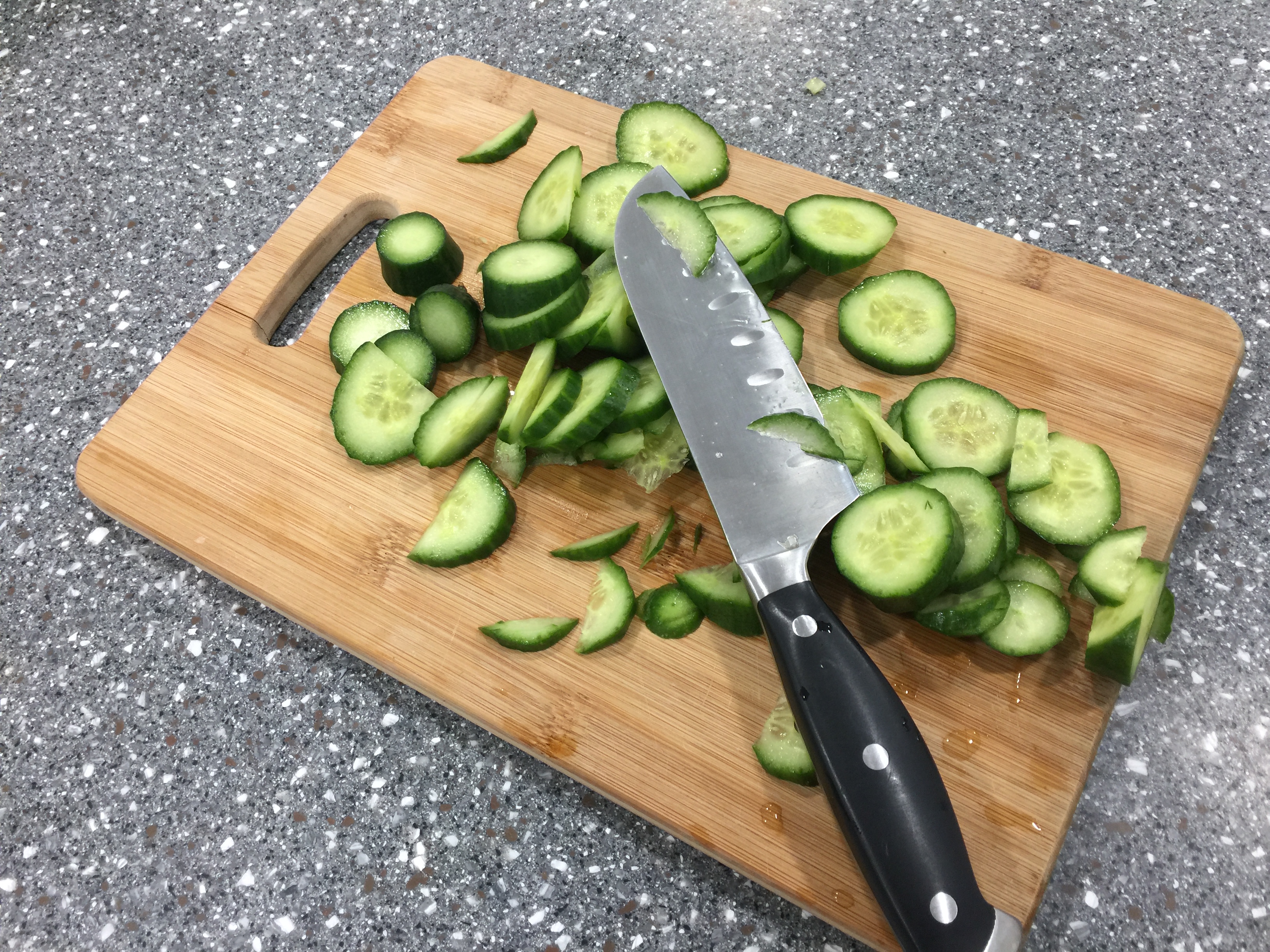
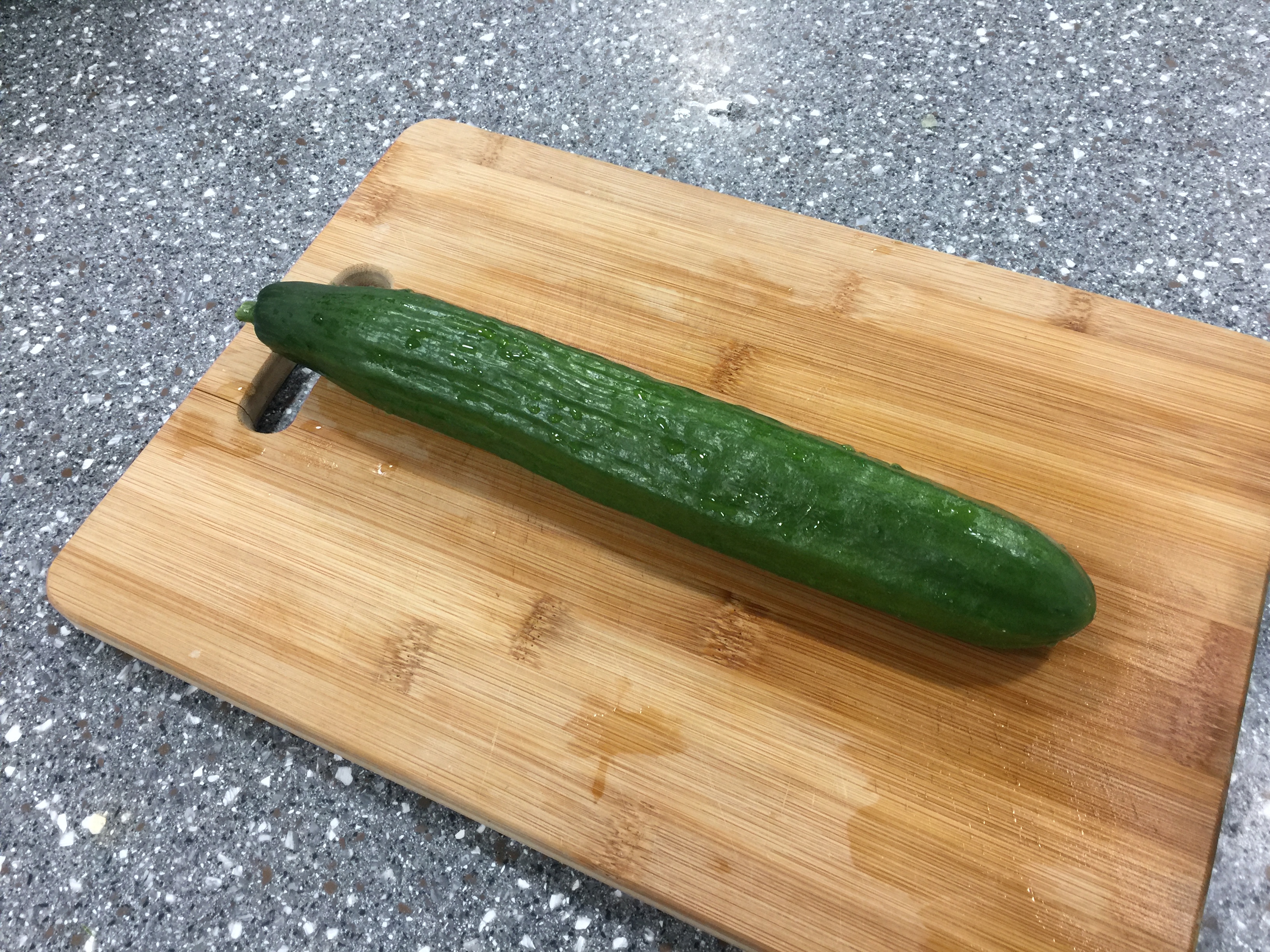
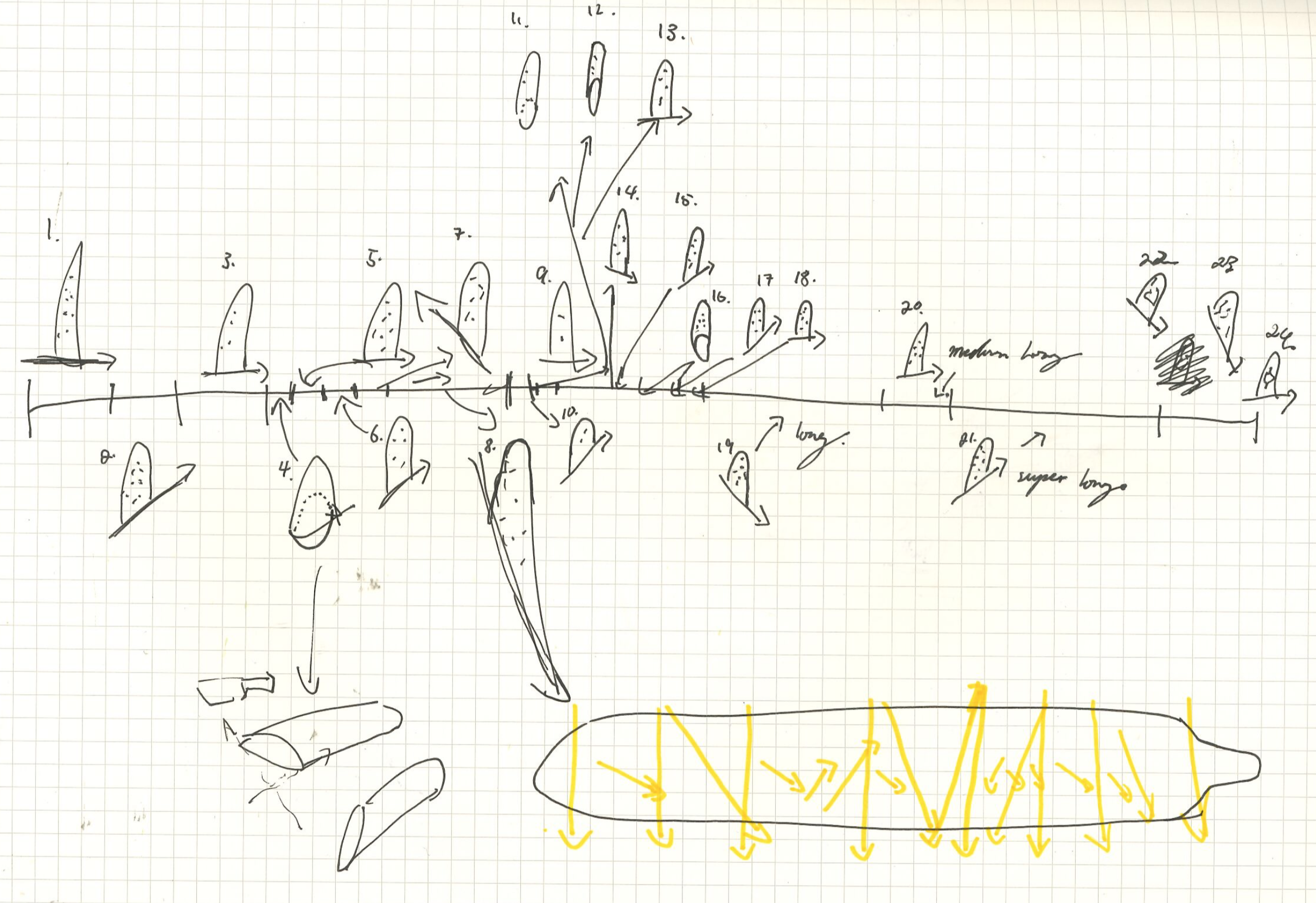
During this section, I found the visual connection of taking pictures and cutting cucumbers, which sounds ridiculous and unrelated. Still, with some unique atmosphere. In this section, there are three versions of changing the angle of cutting a cucumber, which are “A simulation of cutting the cucumber1/2/3”. To specific, the first one is slicing along the cross-section of the cucumber, and matching it with taking pictures directly. The middle one is slicing the cucumber obliquely, as well as sideways taking photos. The last one is cutting a cucumber at random angles, the same way as photography.
2.3. 1′12″
For me, I really keen on working with the visual and auditory montage. Thus, another work was subsequently produced, which is 1′12″. During the preparation of the film 1′12″, I scanned every piece of the sliced cucumber and showed them on the film intern, then matched it with the “tik tok” voice from the clock that to simulate the situation of walking through the cucumber.




2.4. A simulation of peeling a cucumber
The film “A simulation of peeling a cucumber” continue engaging with playing the relation of sound and action, which is connecting the action of printing on printer and peeling the cucumber. In the unreasonable combination of sound and reality, a clumsy sense of humour is produced, which makes this film vivid and interesting.


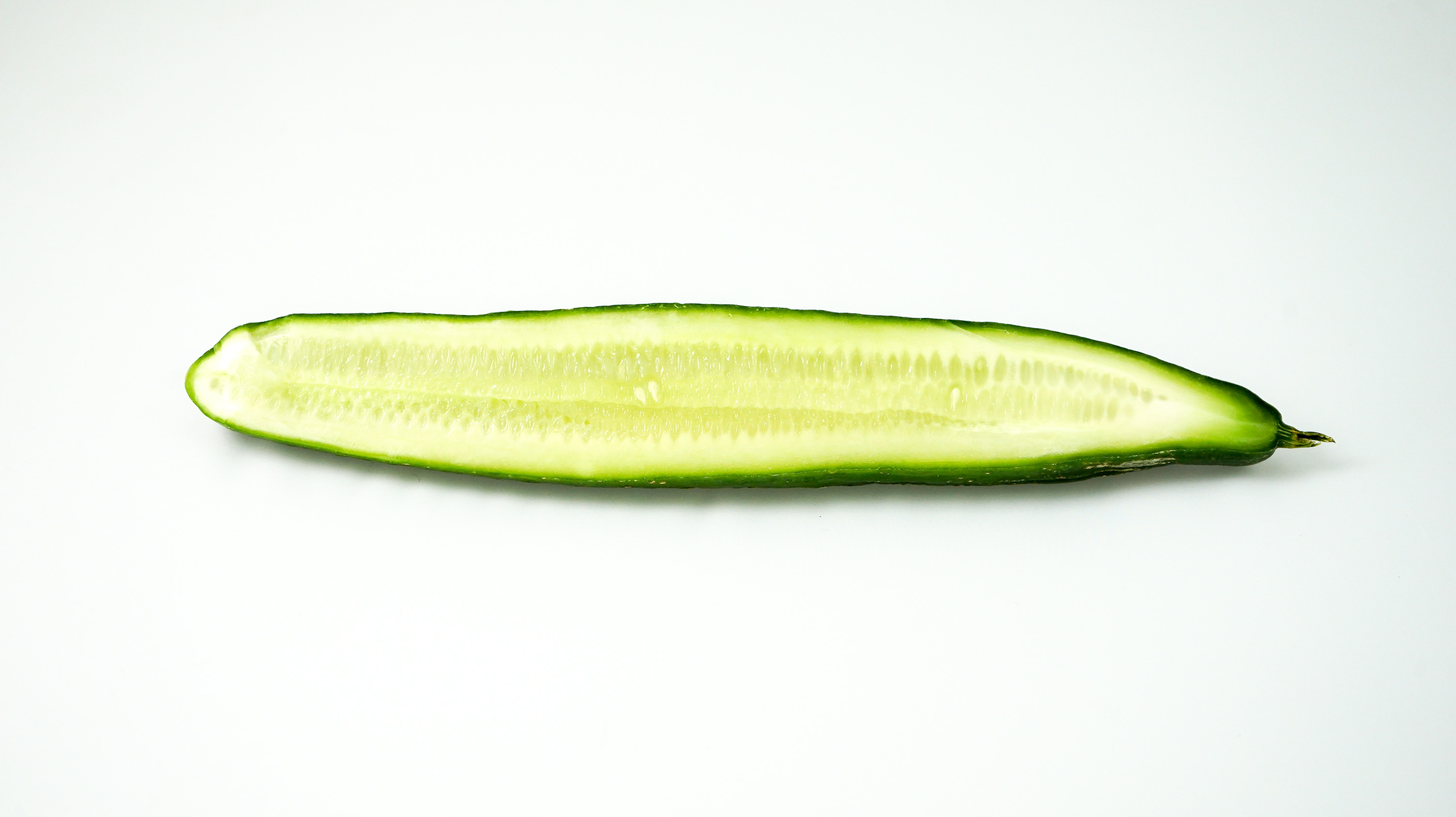

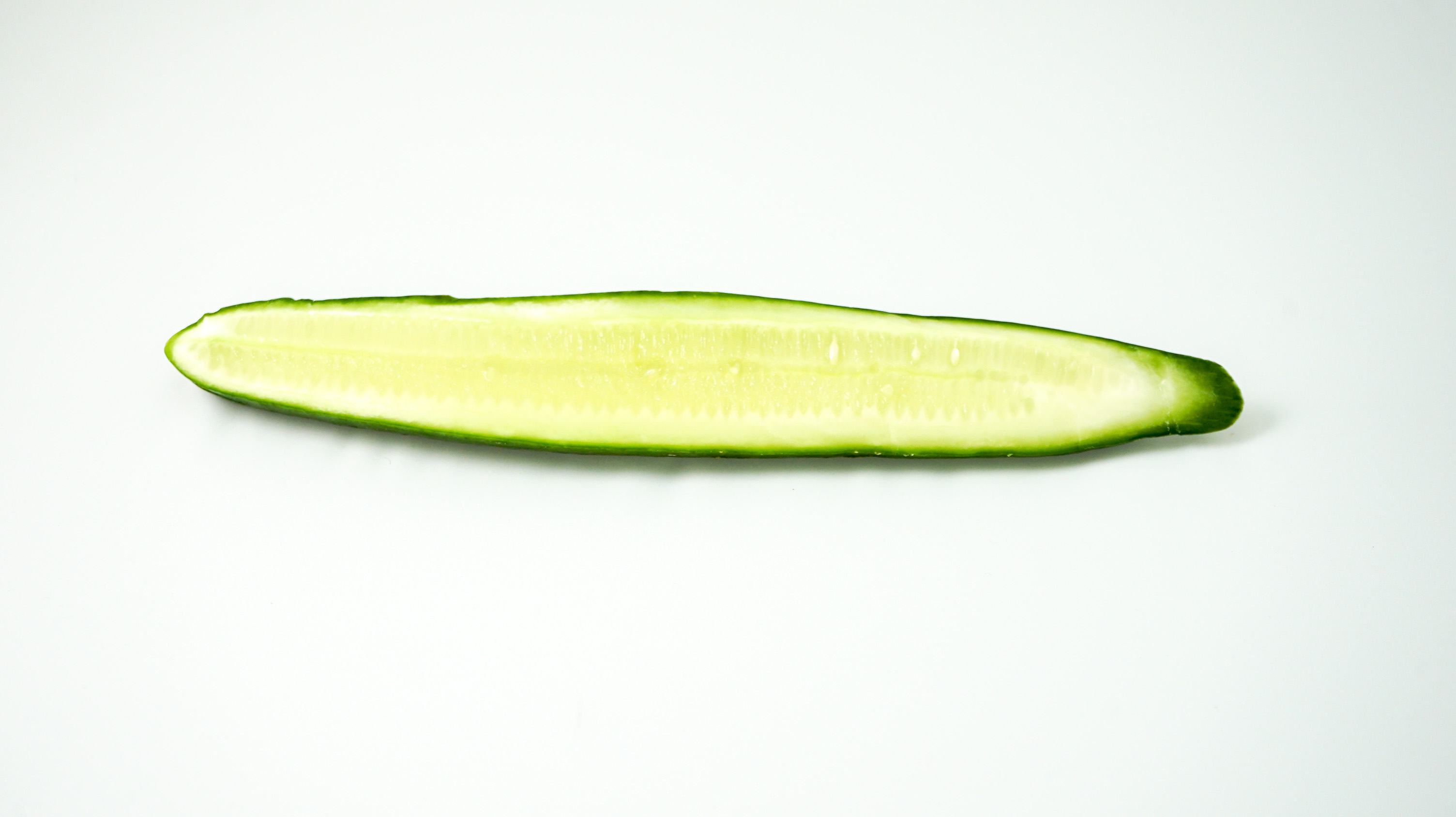


3.1. Comedian2.0
3.2. The Persistence of Memory2.0
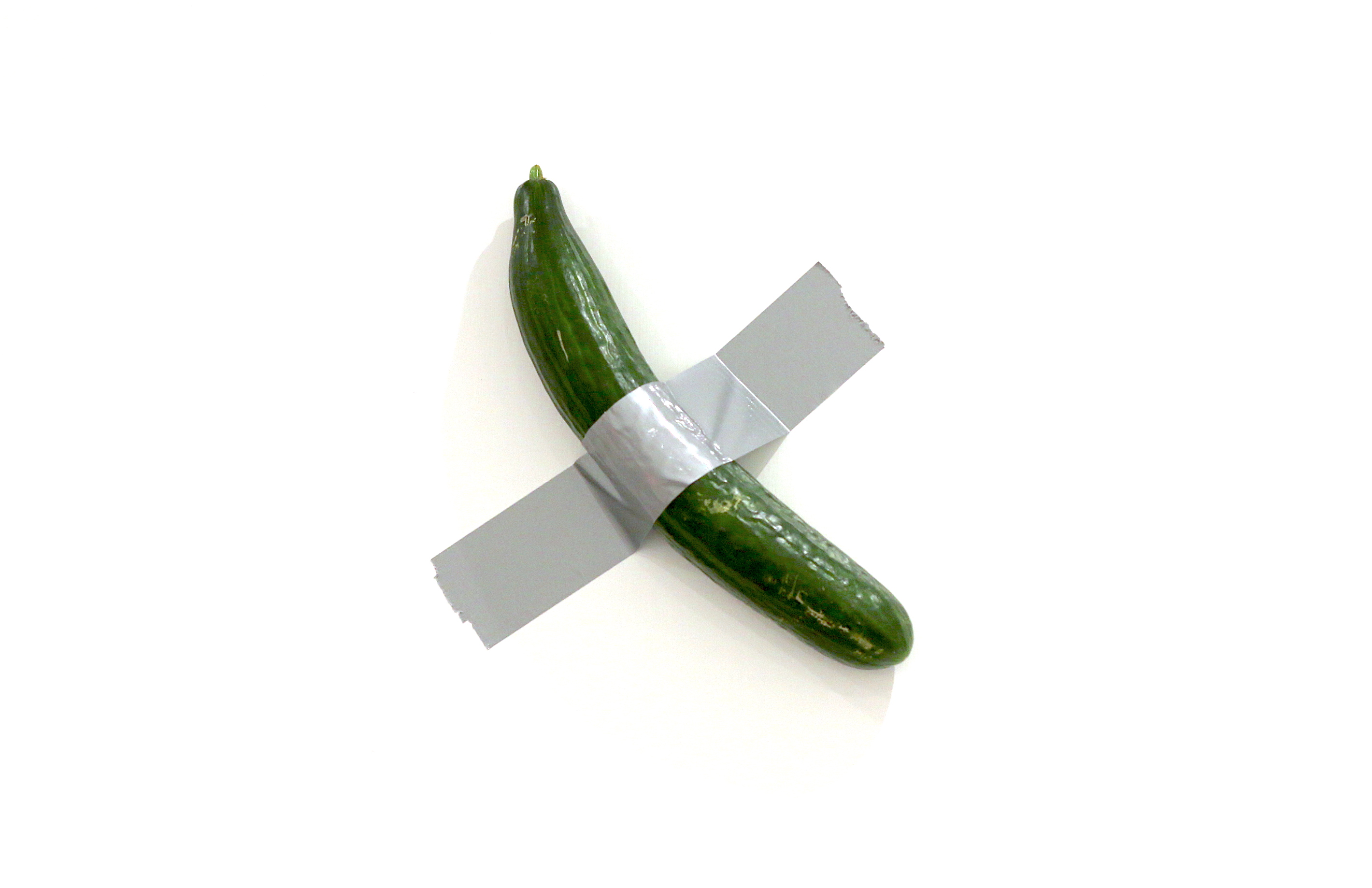
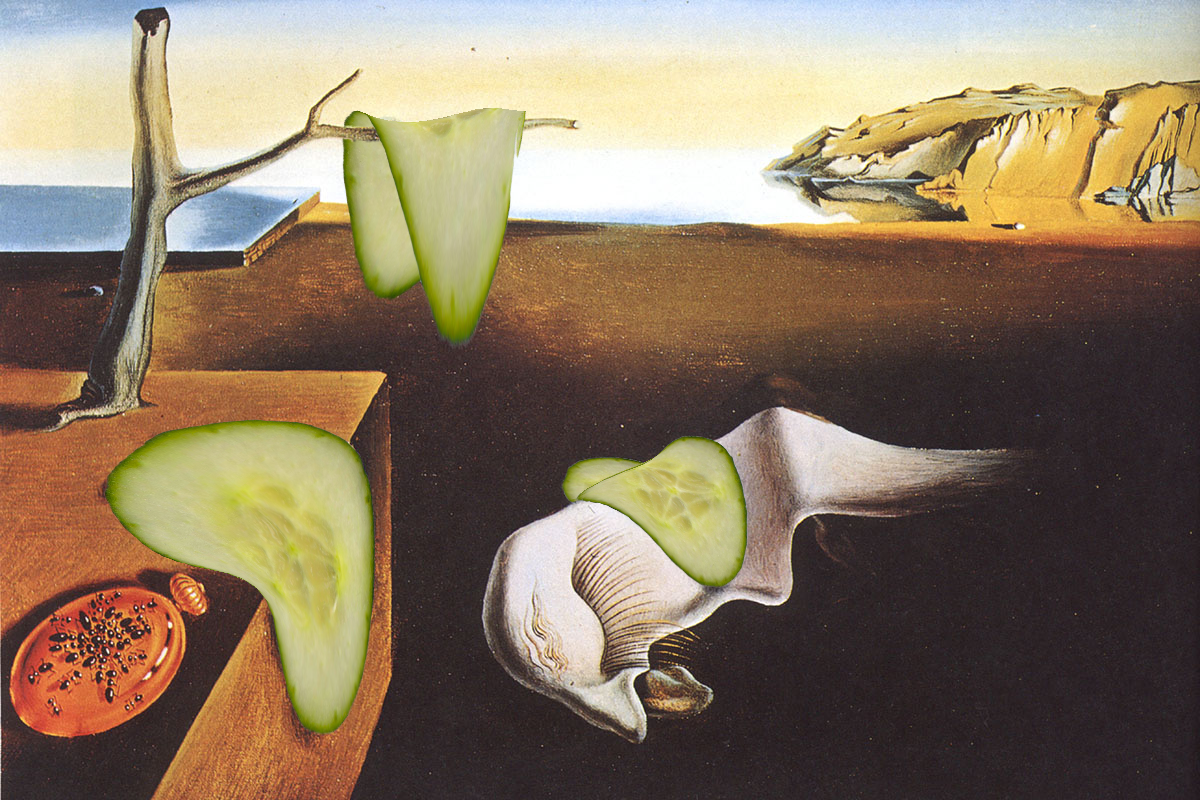
Back to my project, “Comedian2.0” and “The Persistence of Memory2.0” are the imitation of famous artworks. However, the original artworks themselves are the reinvention of the distortion of reality, and these two projects are recreations of creations based on distortions of reality, which is virtually far away from reality. These two works can be understand as satire on surrealism, and present that we already being in an era where third-order simulacra dominate our lives, where the image has lost the connection to real things.
What’s more, when Marcel Duchamp chose “readymades”, for example, the urinal, to create, there is no absolute worthless or to say daily object can also be of “high value”, as well as the banana in the “Comedian” and the cucumber in my project. When the news reported with the eye-catching title of “One banana, what could it cost? $120,000 - if it’s art”, the banana itself already lost its original purpose - for eating or planting. The image that artist created has no relation to reality, the object itself was not the actual banana any more, and it has lost the meaning of questioning if the banana is a real or fake artwork.
3.3. Time segments×2
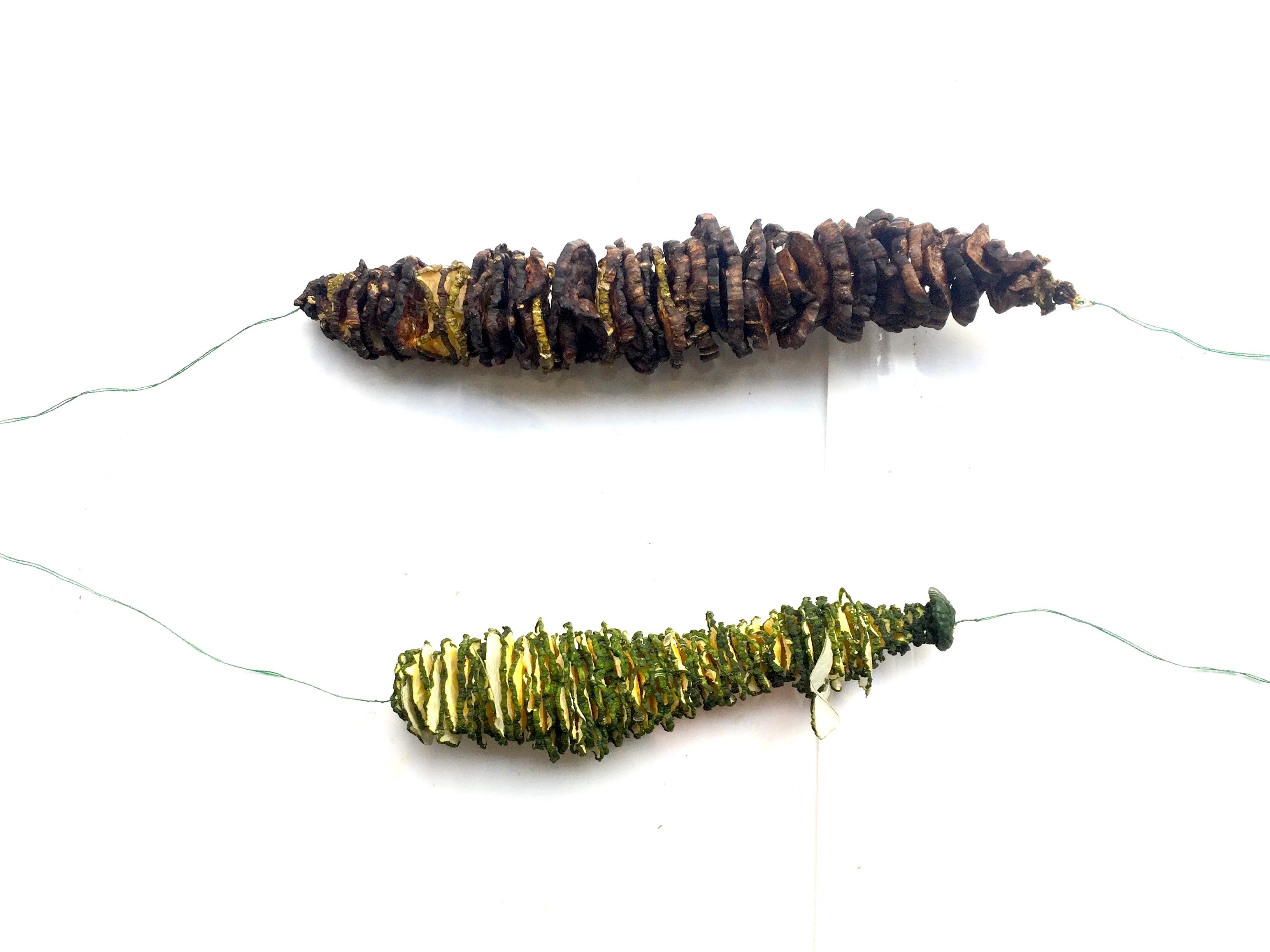
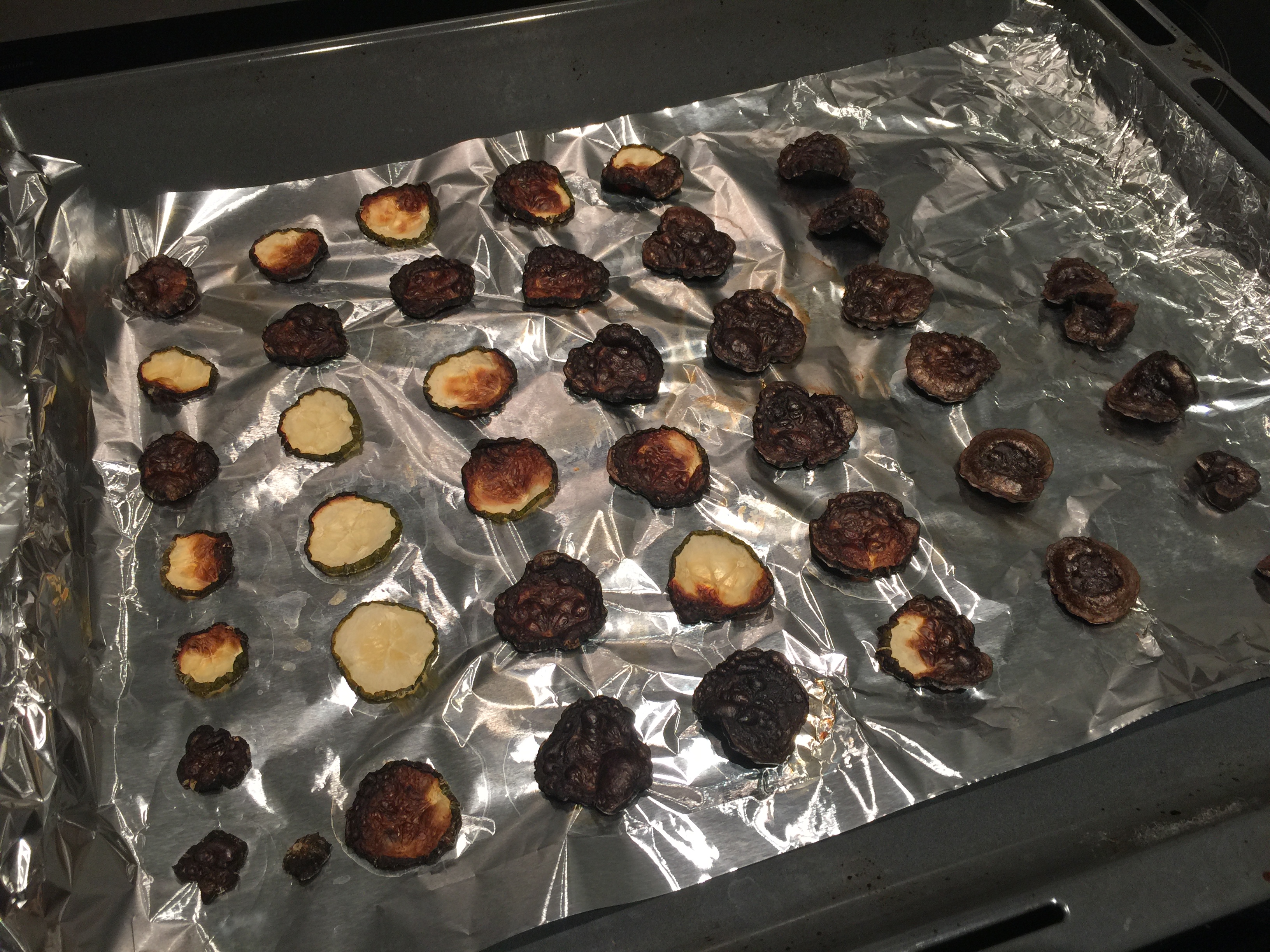
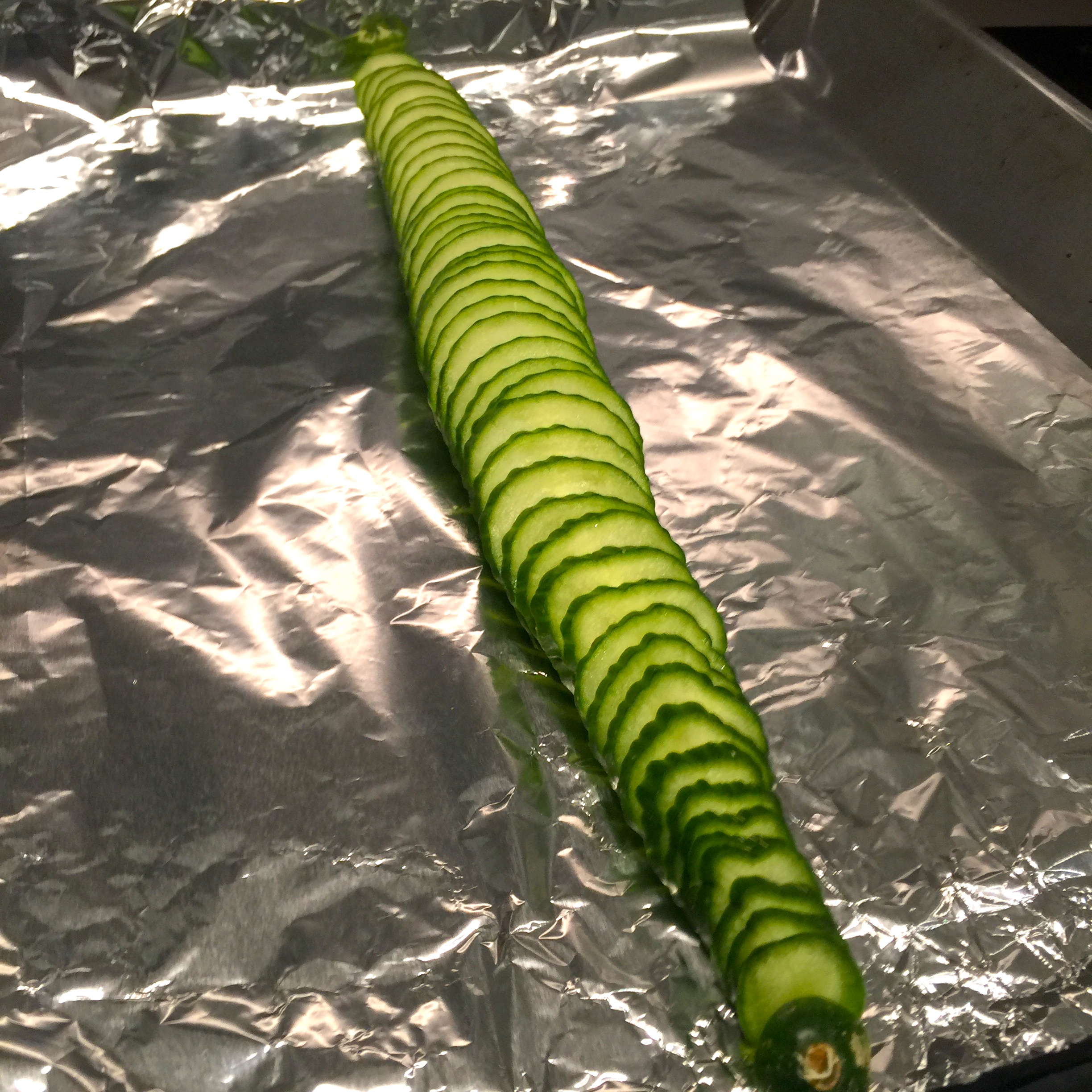
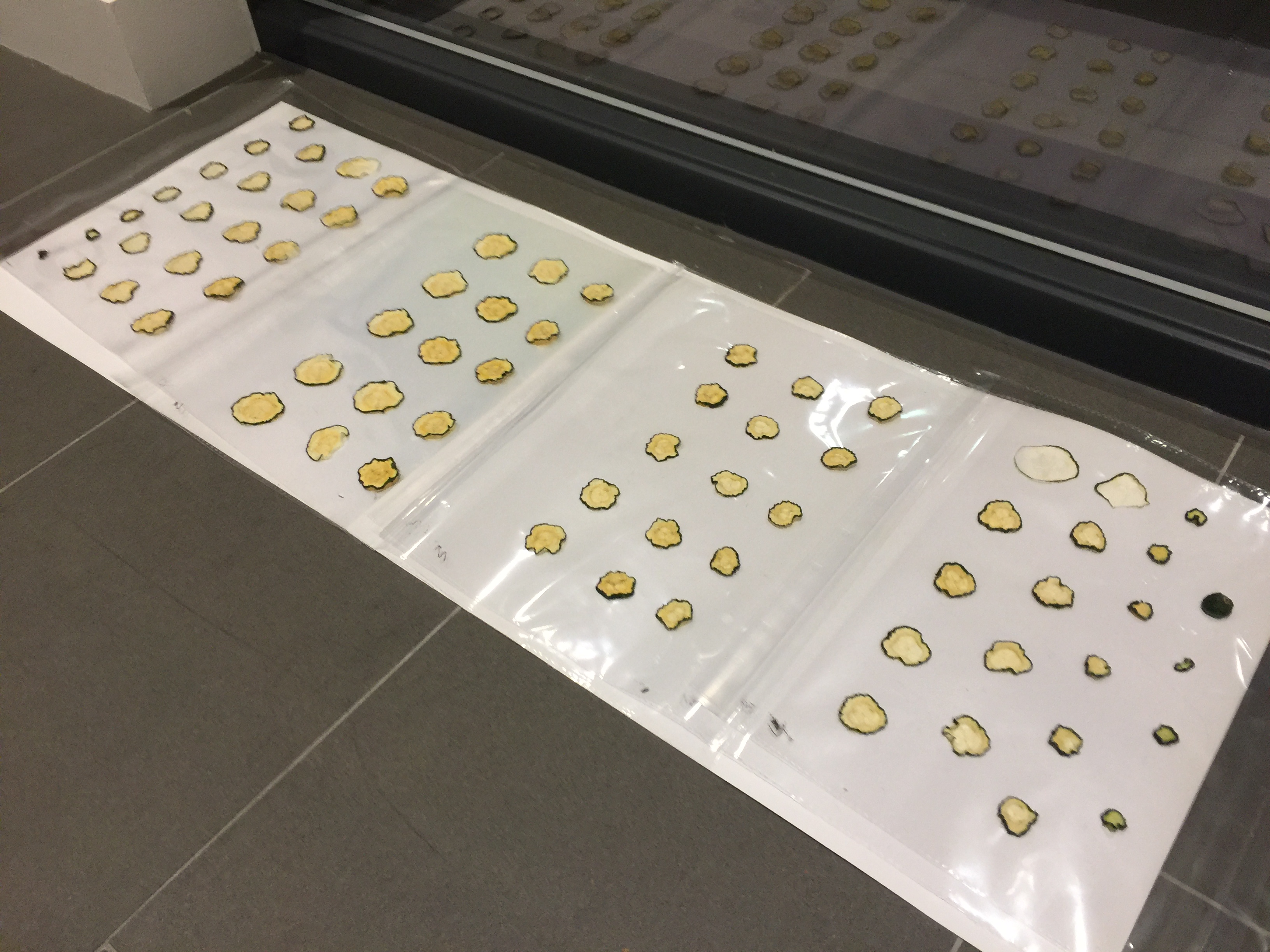
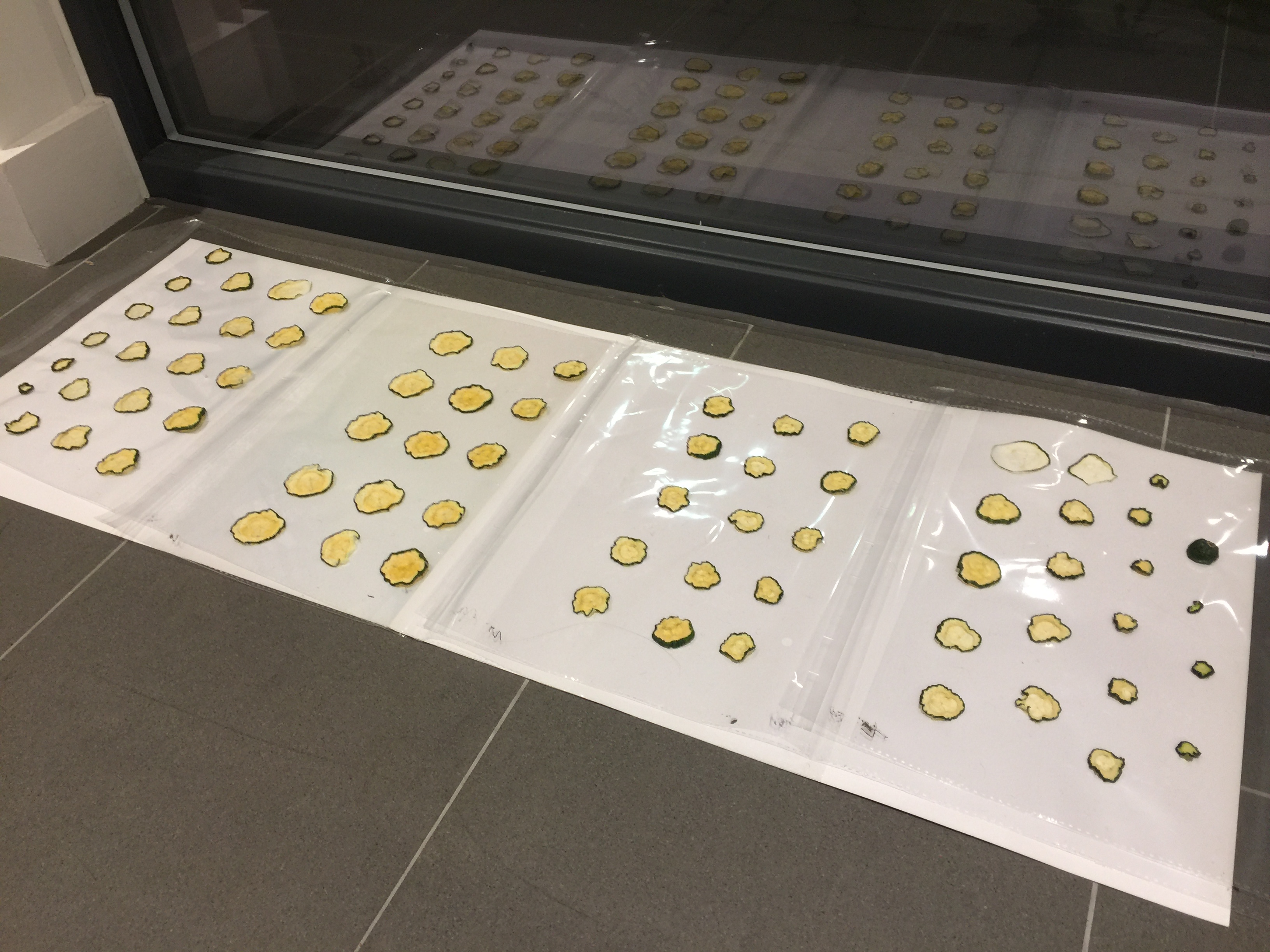
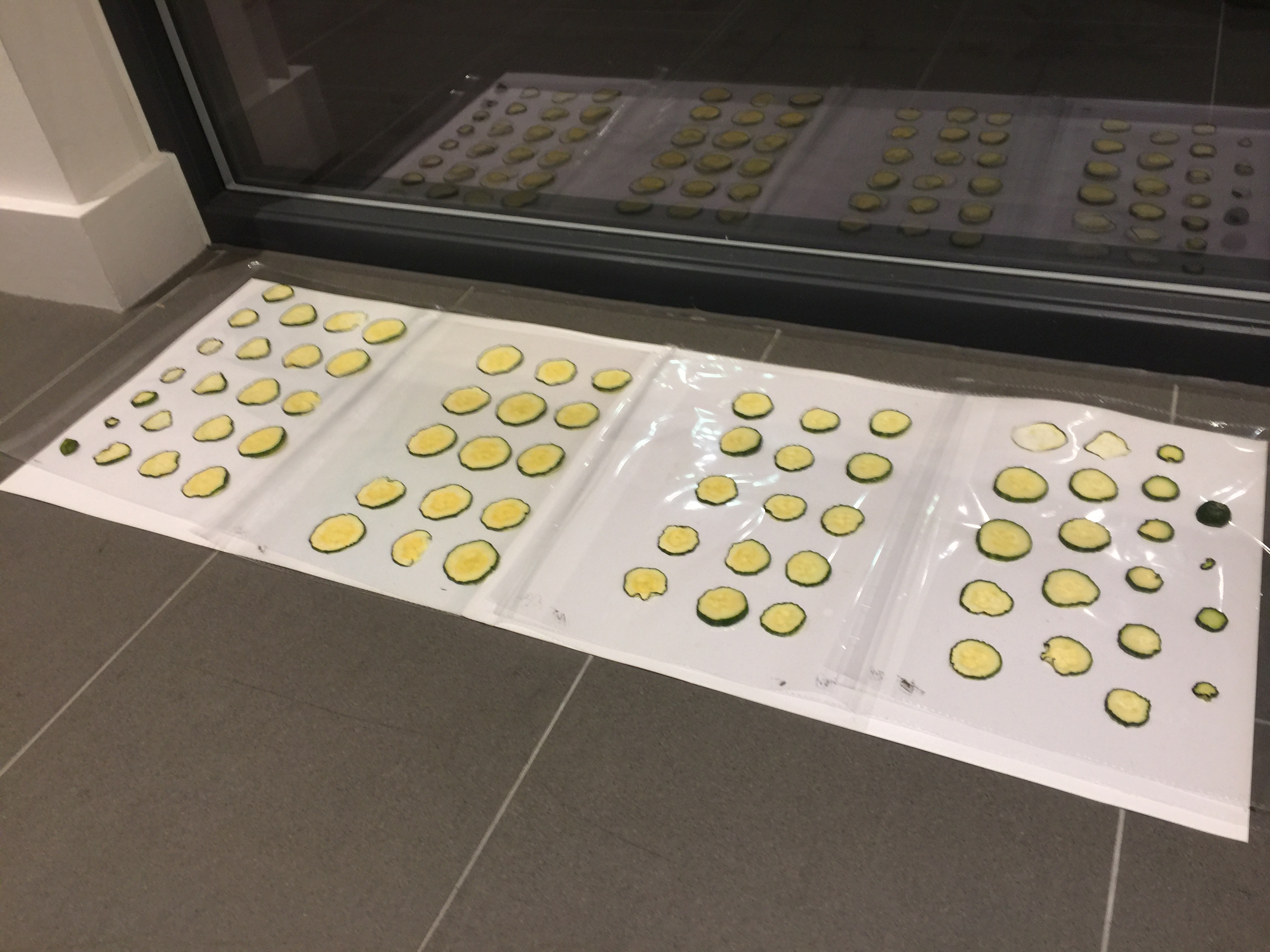
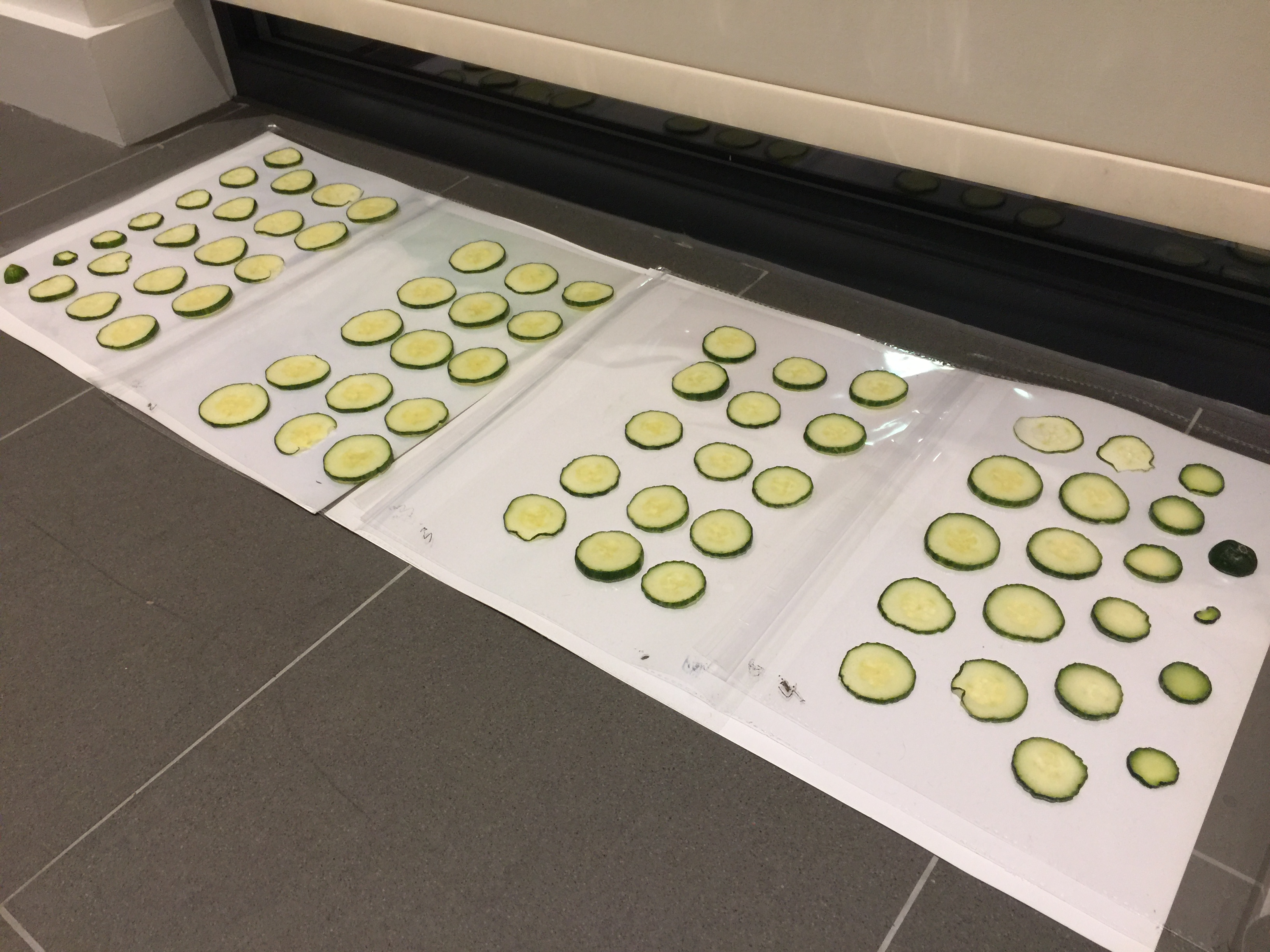
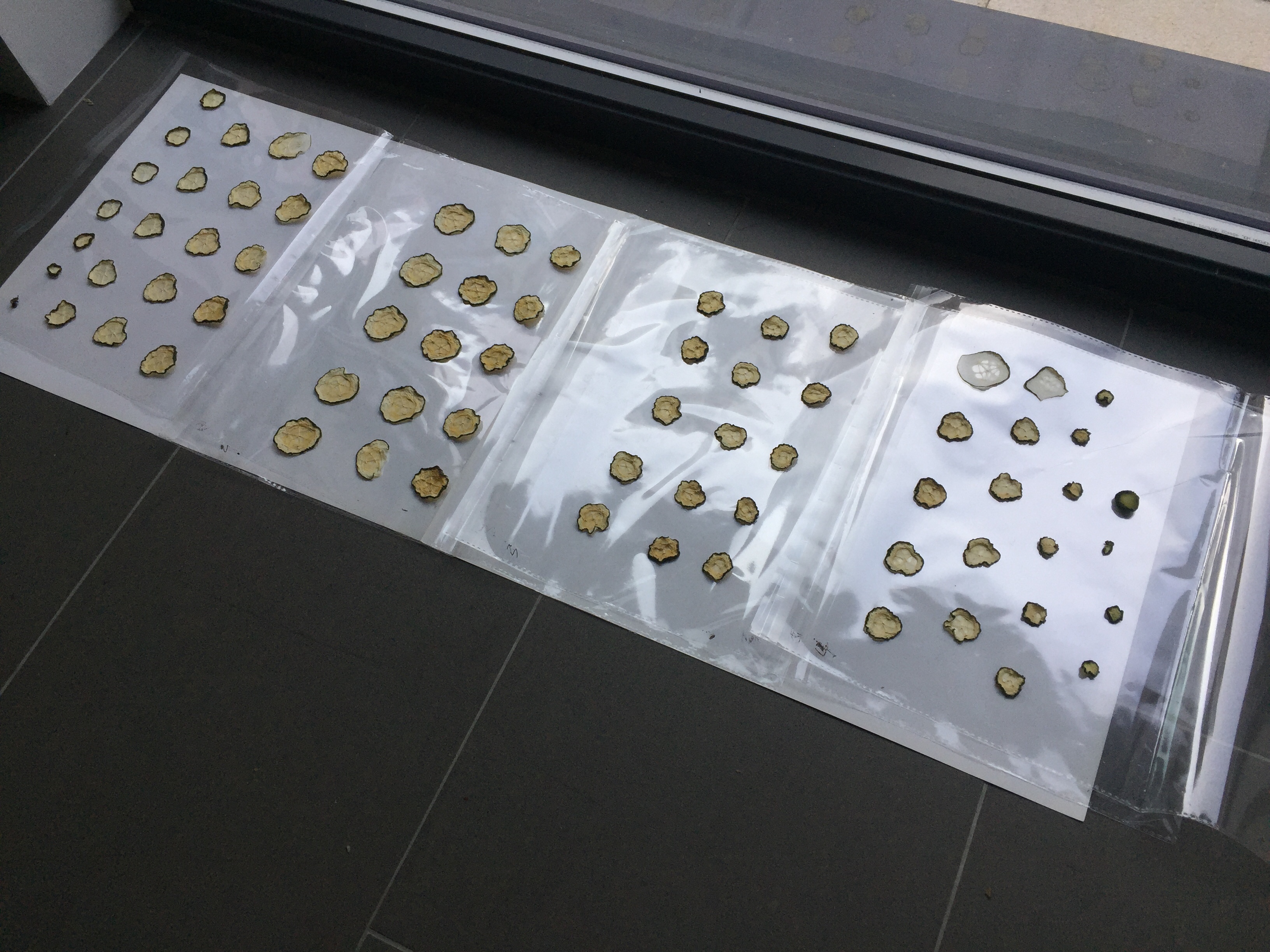
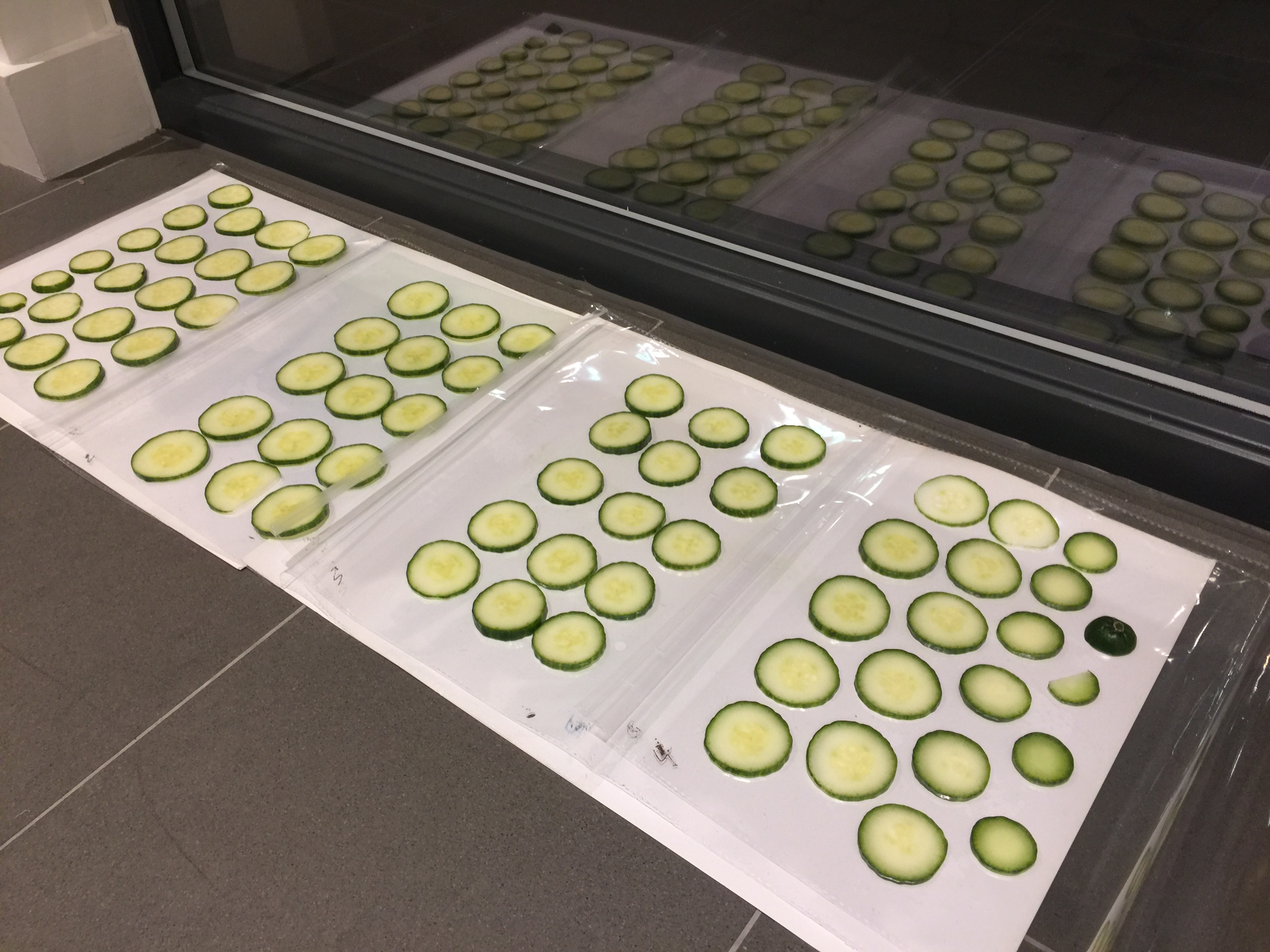
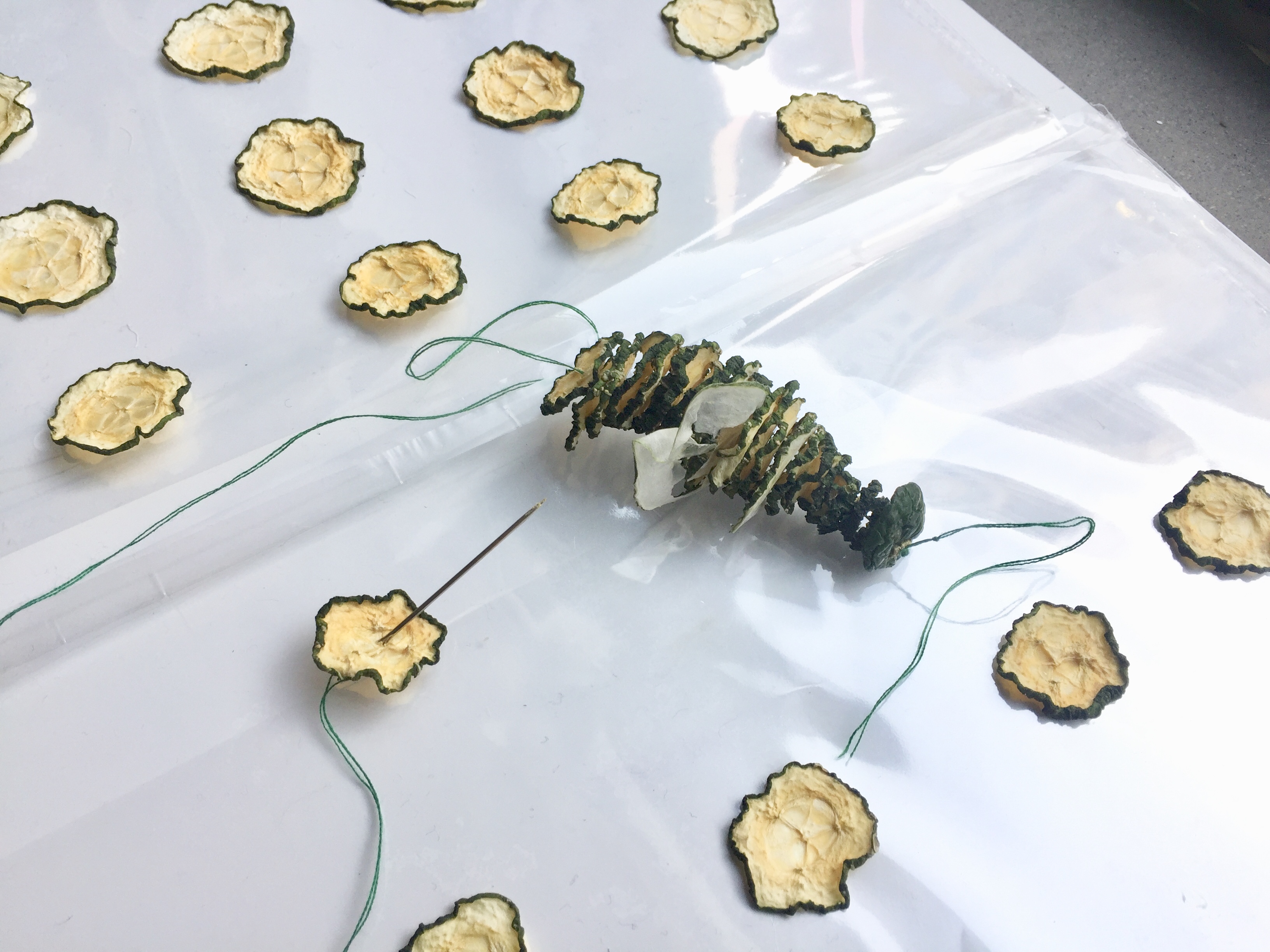
During this section, breaking the integrity of the cucumber into flakes, then dry it and reassemble it in order, which are two small models of time segments. Try to imagine, and this cucumber is the whole life experience for a creature, then, the actions of deconstruction and reorganization can be seen as finding the way to “save time”.


4.1. Gallery website
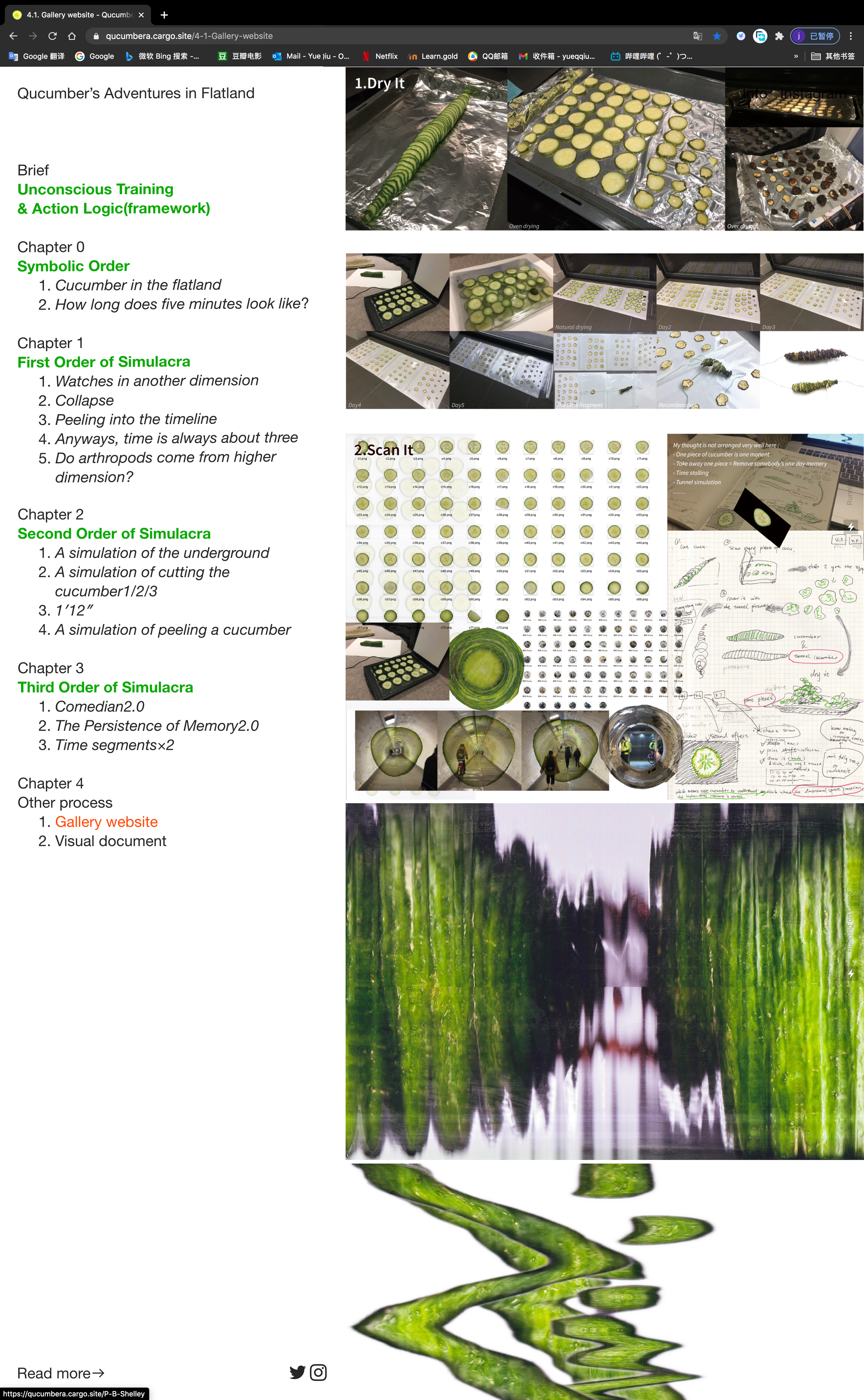
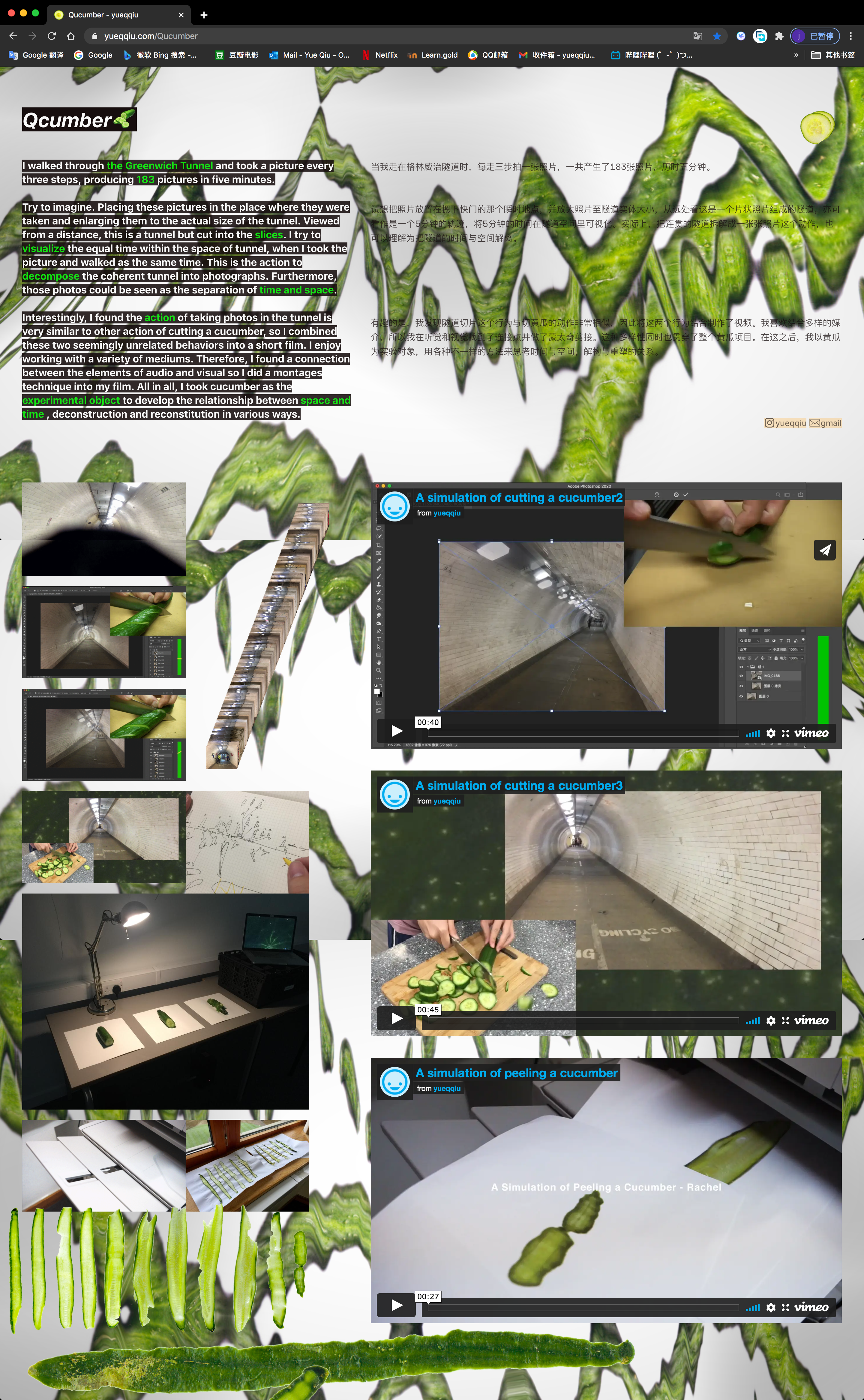
To compare with these two different websites, the gallery one(left), the elder version of my project arrangement, is for imagination mapping, as well as the pure appreciation of pictures and films. The visual senses can indeed attract the attention of the audience, including the special effects of webpage hovering and the non-daily cucumber visual image, etc. However, the premise of enjoying this disorderly designed website is that the audience has a clear understanding of my project and concept; otherwise, it is just empty beauty. Thus, to consider the communication between my task and the audience, designing an information well-organised website is essential, especially for those people who know my project for the first time.
Specifically, it is the difference between ordered design and unordered design or to say layout design with gird or not. The former is the organized transmission of consciousness, while the freedom of imagination accompanies the latter. There is practically no right or wrong between these two, just different methods of expression. Grid design usually appears with words such as logical thinking, efficiency, and clarity, and is a frequent visitor in business design. While the terms usually accompany with the anti-grid design is open, creative, and more emotional or intuitive. The struggle between restraint and freedom began as early as the 1980s, David Carson was the art director for the magazine Ray Gun, in which he employed much of the typographic and layout approach for which he is known. He claims that his work is "subjective, personal and very self-indulgent”. Back to my project, the website arranged irregularly in chronological order is perceptual, while another one with structured and analyzed is rational.
4.2. Visual document
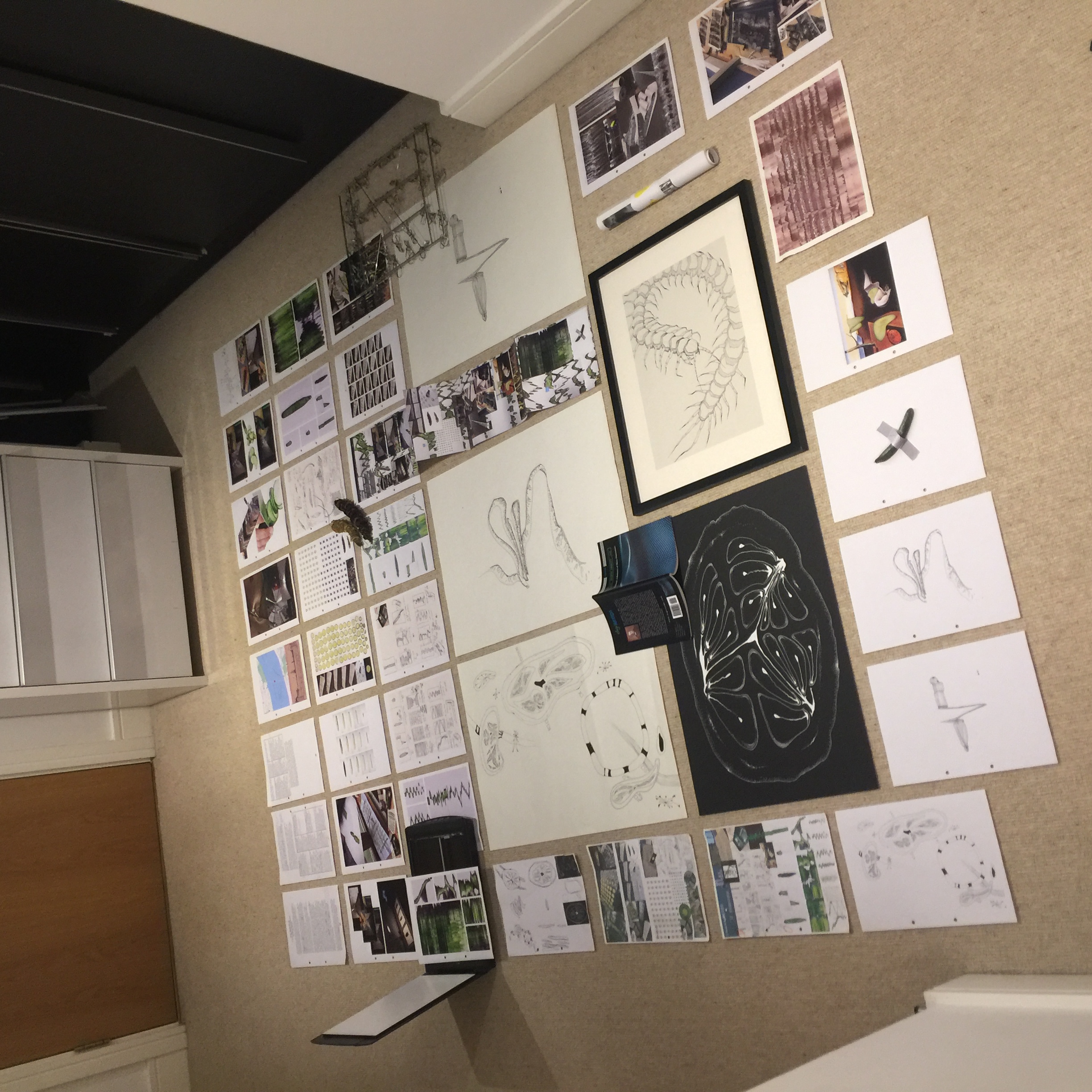
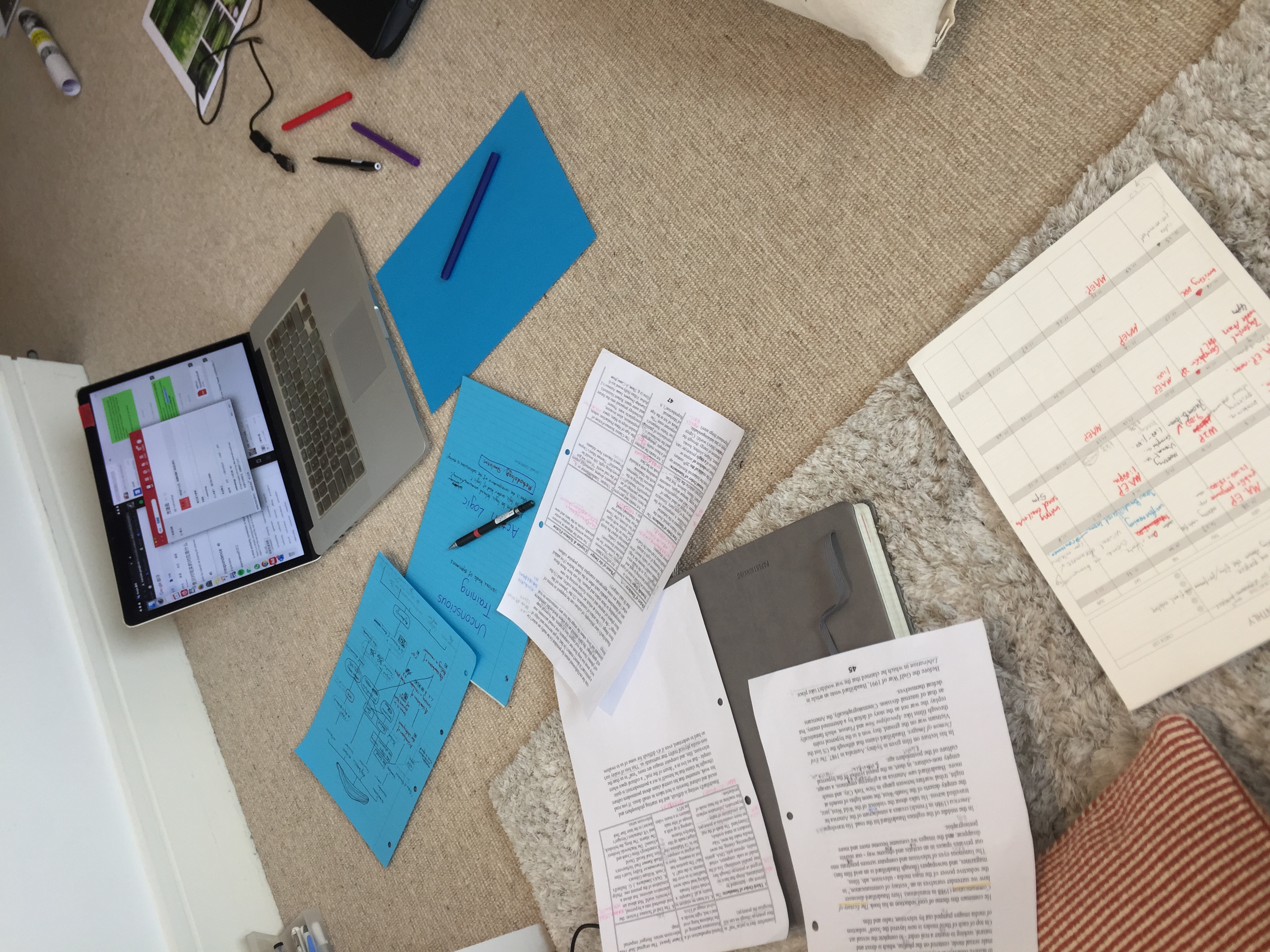
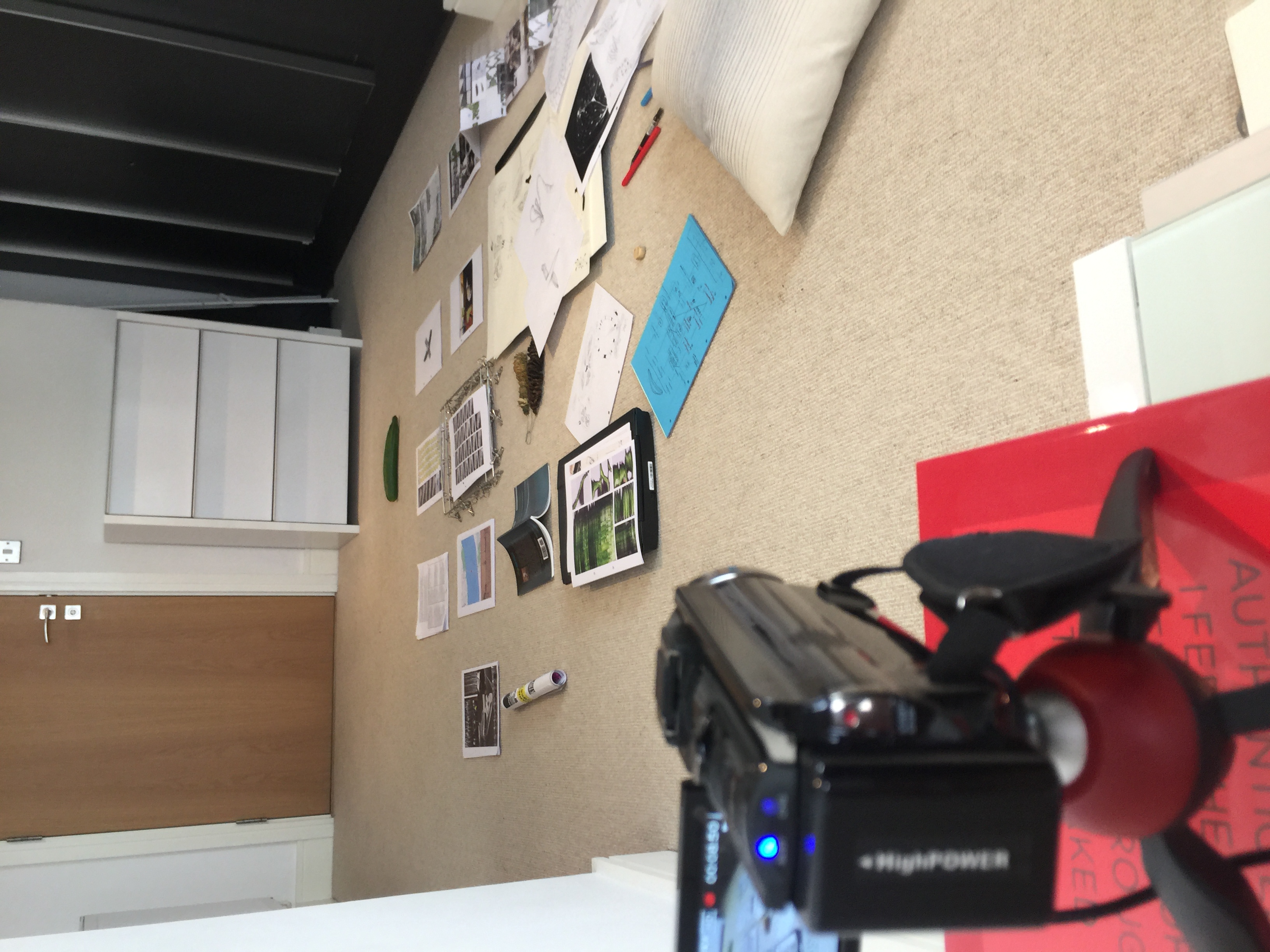
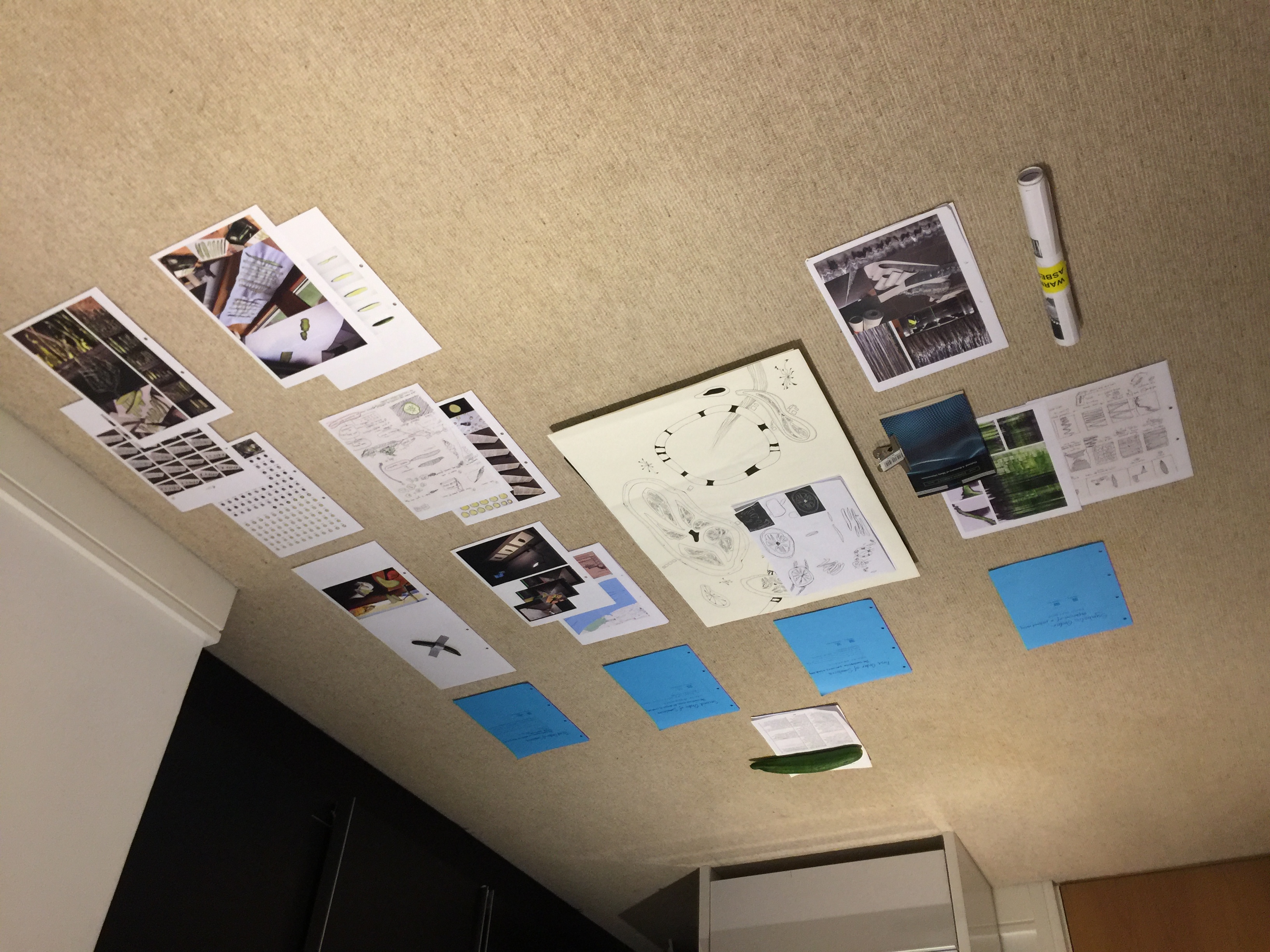
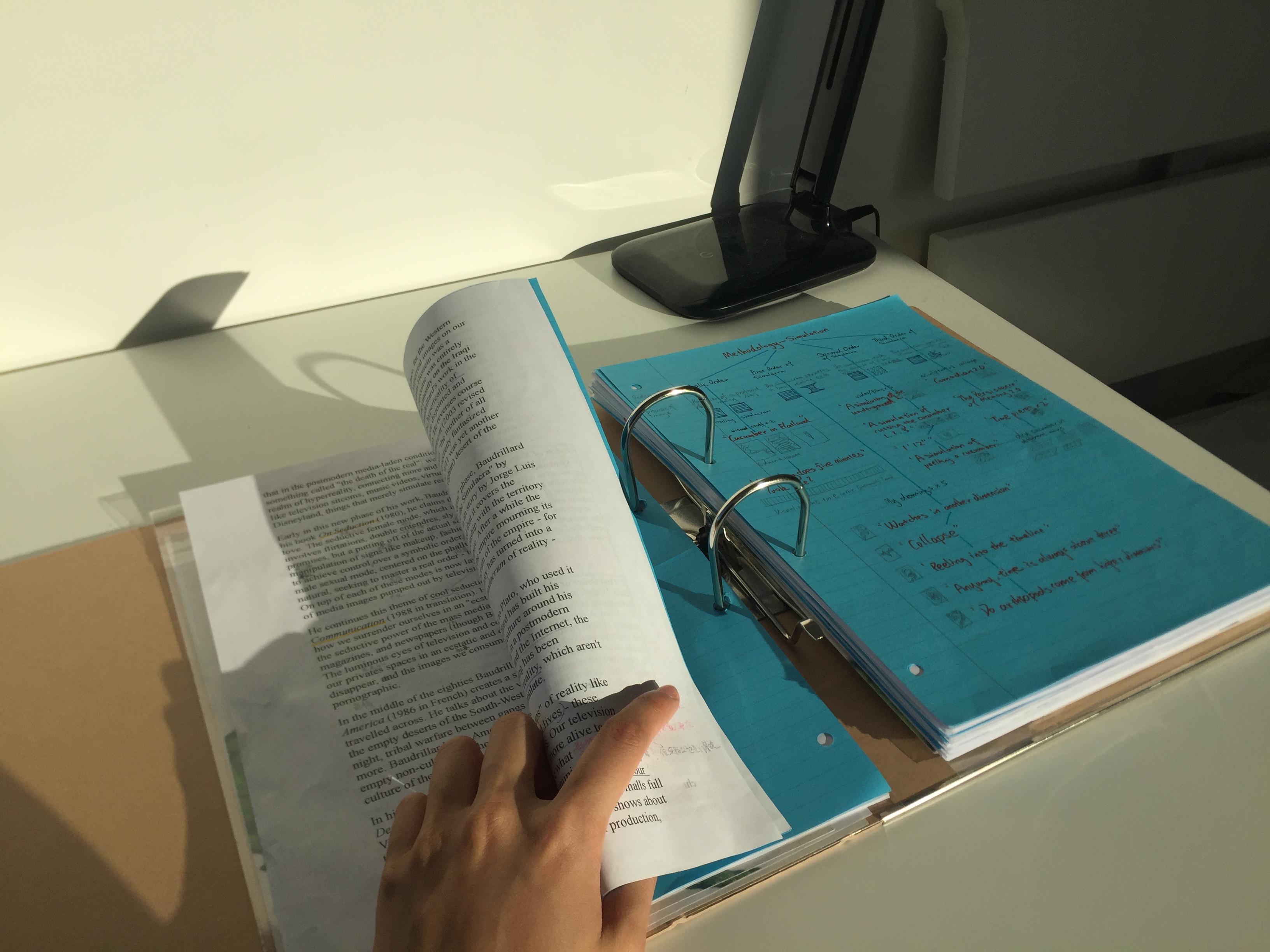
While organizing the project, I made a visual document, which is very useful for summarizing my thinking and works. What I believe is necessary to visualize electronic documents, cause the things that rely on electric are hidden by the screen, which cannot see the full sight by people’s eyes. As far as the existing technology is concerned, the screen has a frame, and when it is still, the documents will be confined to a plane. For instants, when you open all the related documents in the desktop, usually it is an overlapping state and not easy to see the panorama. Since human memory has the characteristics of forgetfulness, overlapping files are less likely to be remembered directly, which hinders the overall thinking of the project. Moreover, this situation will be improved in the era of borderless screens. But at least now I still prefer to understand screen-based documents are hidden, and it is a more precise way for me to print it out then more able to overview it.